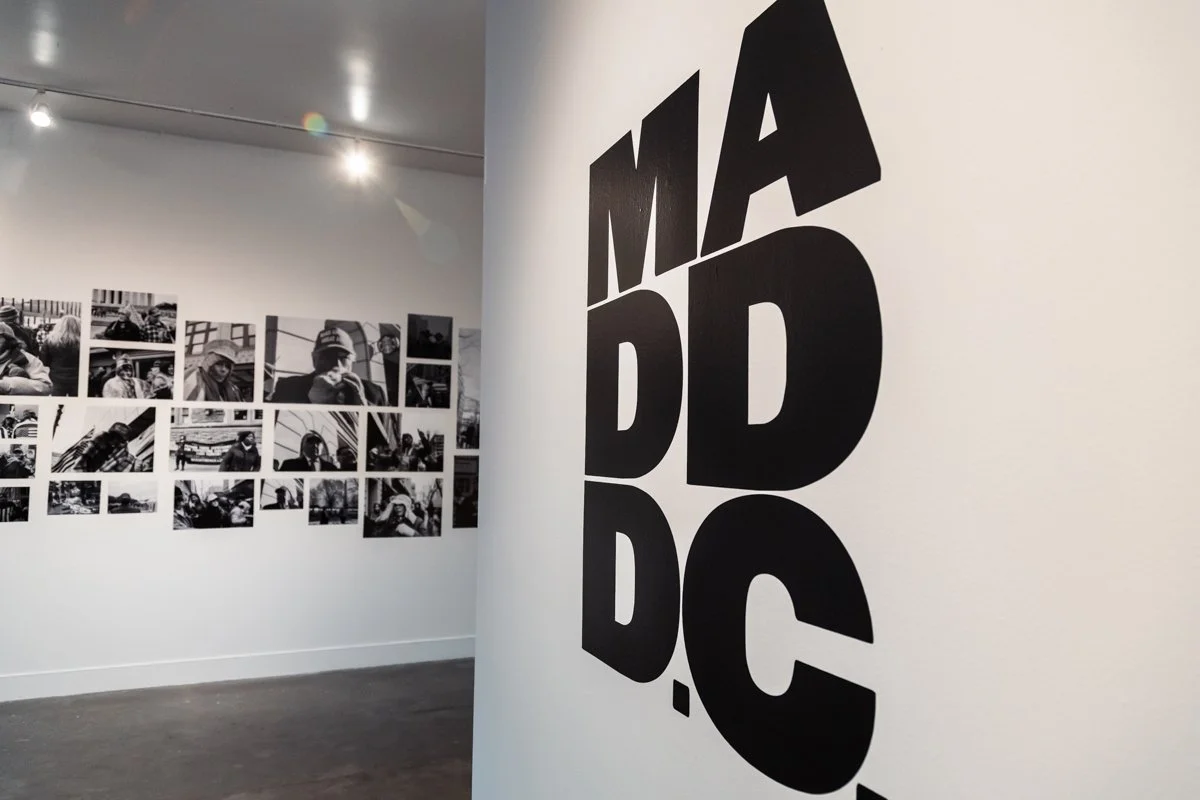
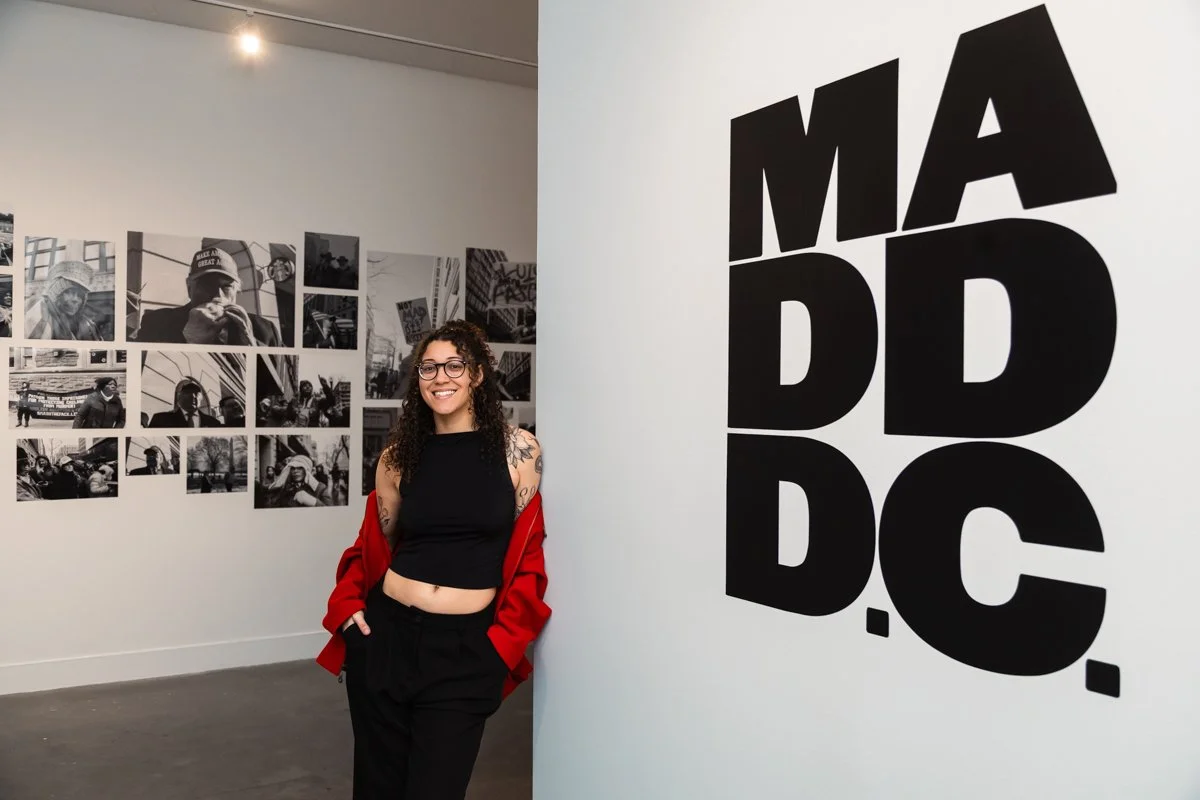
MADD D.C. PORTLAND, OR
I am proud to share this story with you all.
The story behind the Black, queer artists who traveled from Portland, OR to D.C. to document the events of Trump’s inauguration weekend.
What Meaghan & Danica have shared with us is a deeply important body of work— a reminder that photographers and filmmakers carry a responsibility to document the moments of our time, tangible scenes and emotions that will be studied years from now.
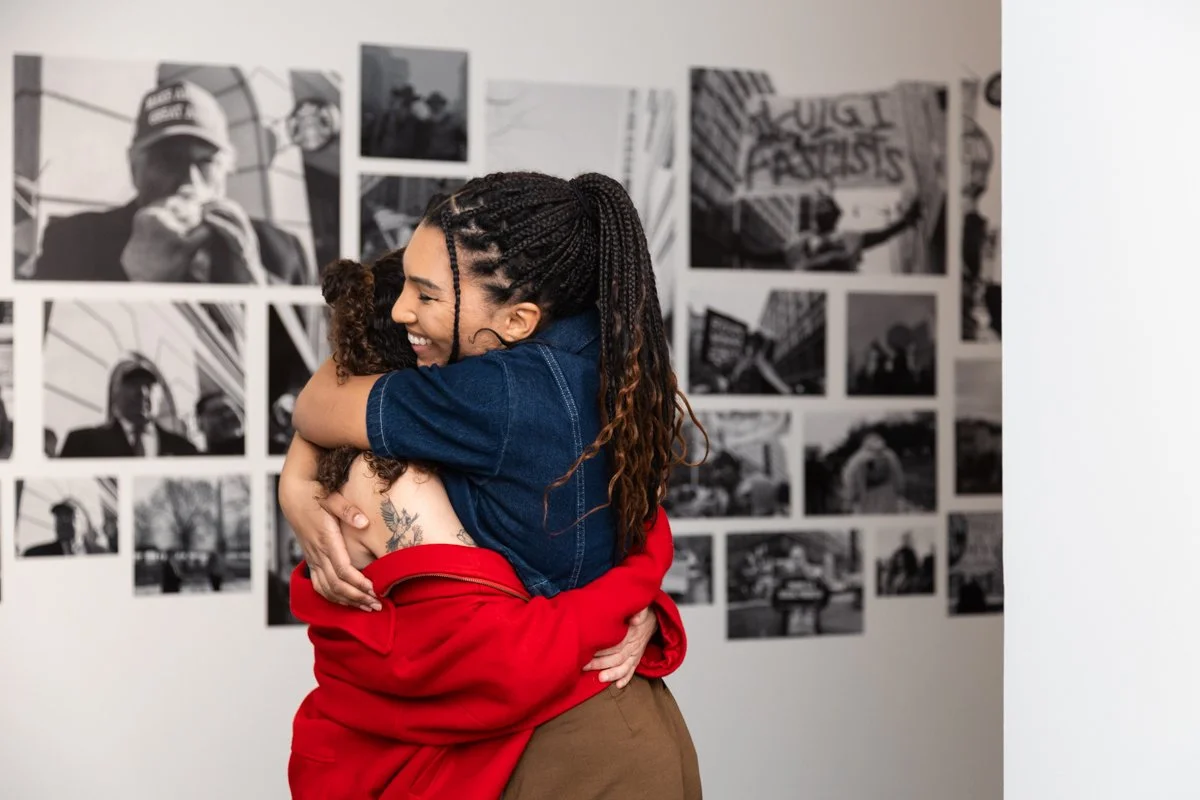
I distinctly remember meeting Meaghan for the first time about a week before she left for D.C. In a packed room full of queer women, I was drawn to her multiple times throughout the night. The way she lit up when she shared stories about shooting film reignited something in me that had been dim for a while. She mentioned a last-minute film project in D.C. with her friend Danica and how everything somehow came together. I immediately started following both of them and tracking their journey. Over the past year I’ve joined them on their film walks around Portland neighborhoods. I know I’m not alone when I say that the community they’ve built and the work they’ve put out into the world has fueled and inspired us deep in our bone marrow, sparking courage, creativity, and fierce belonging.
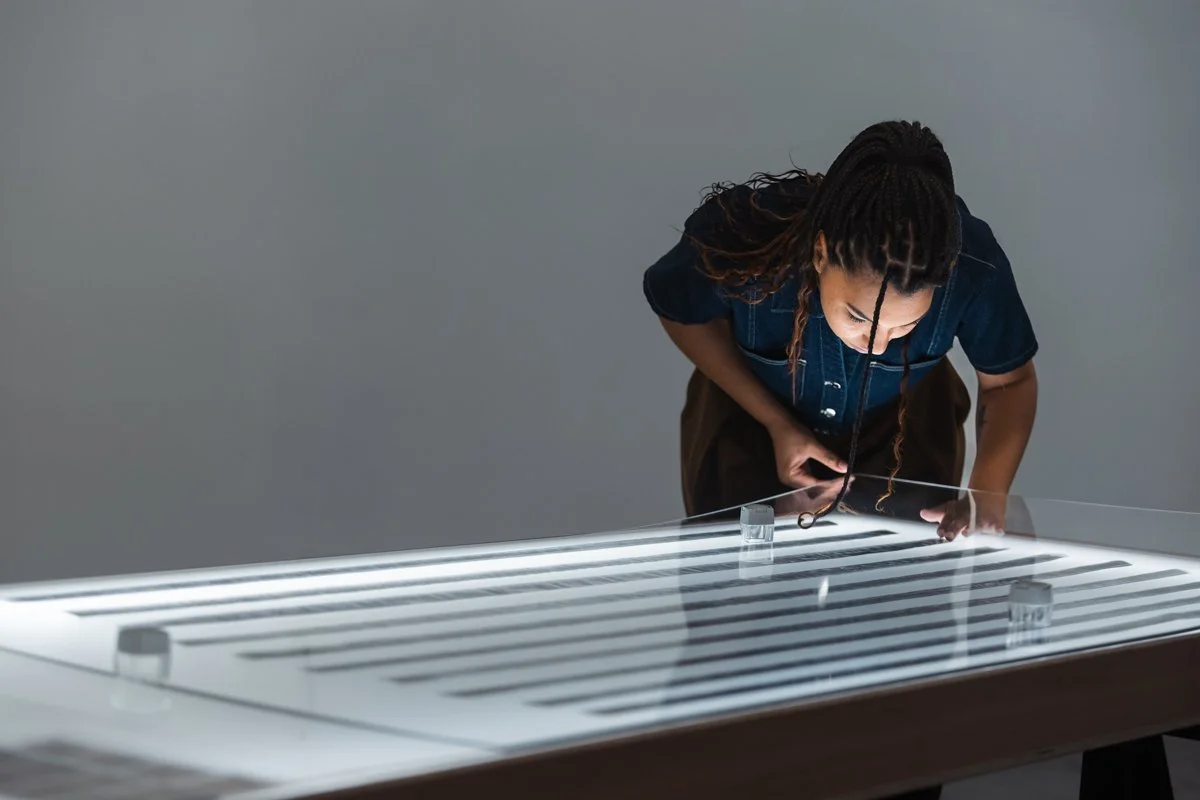
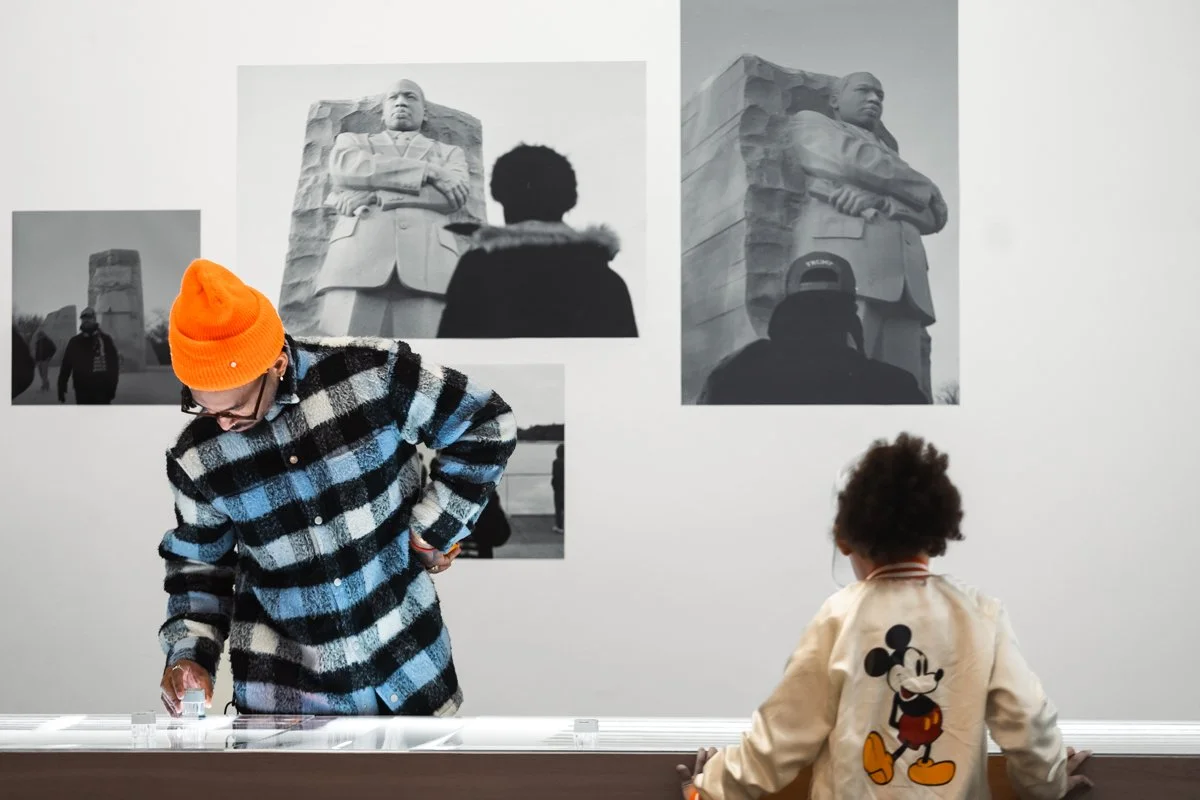
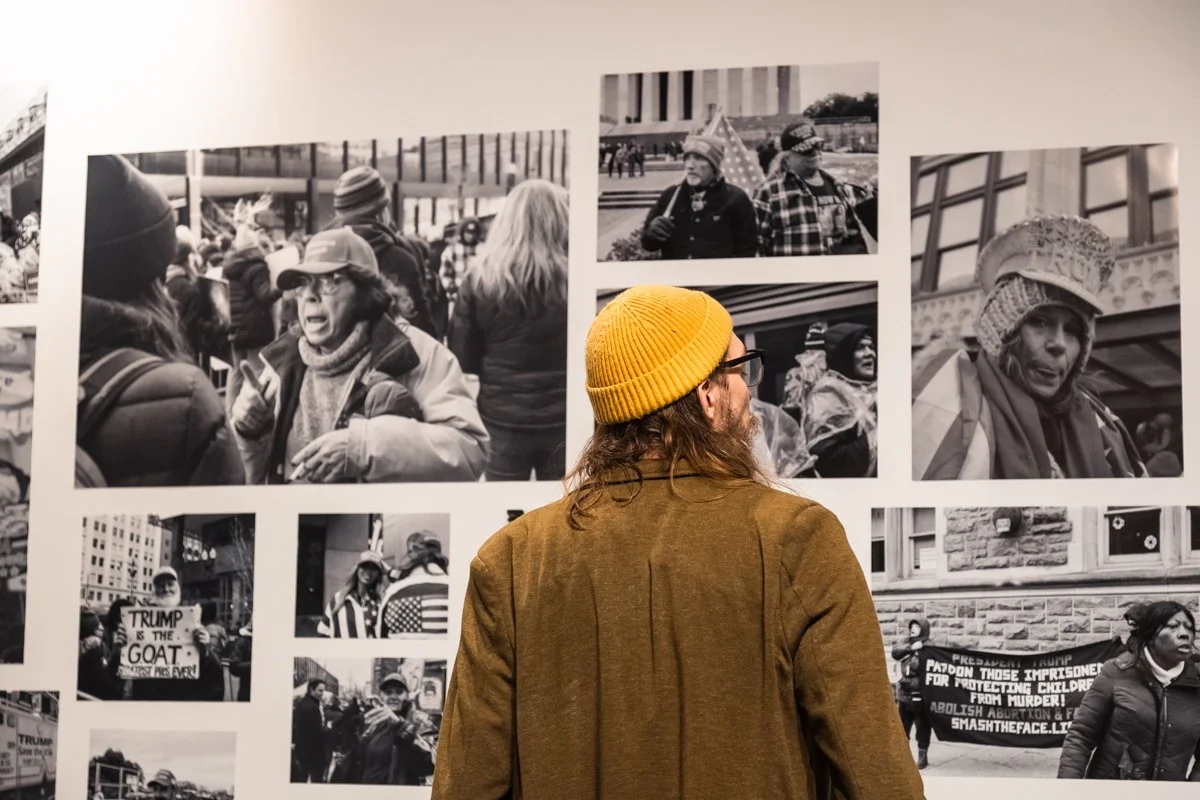
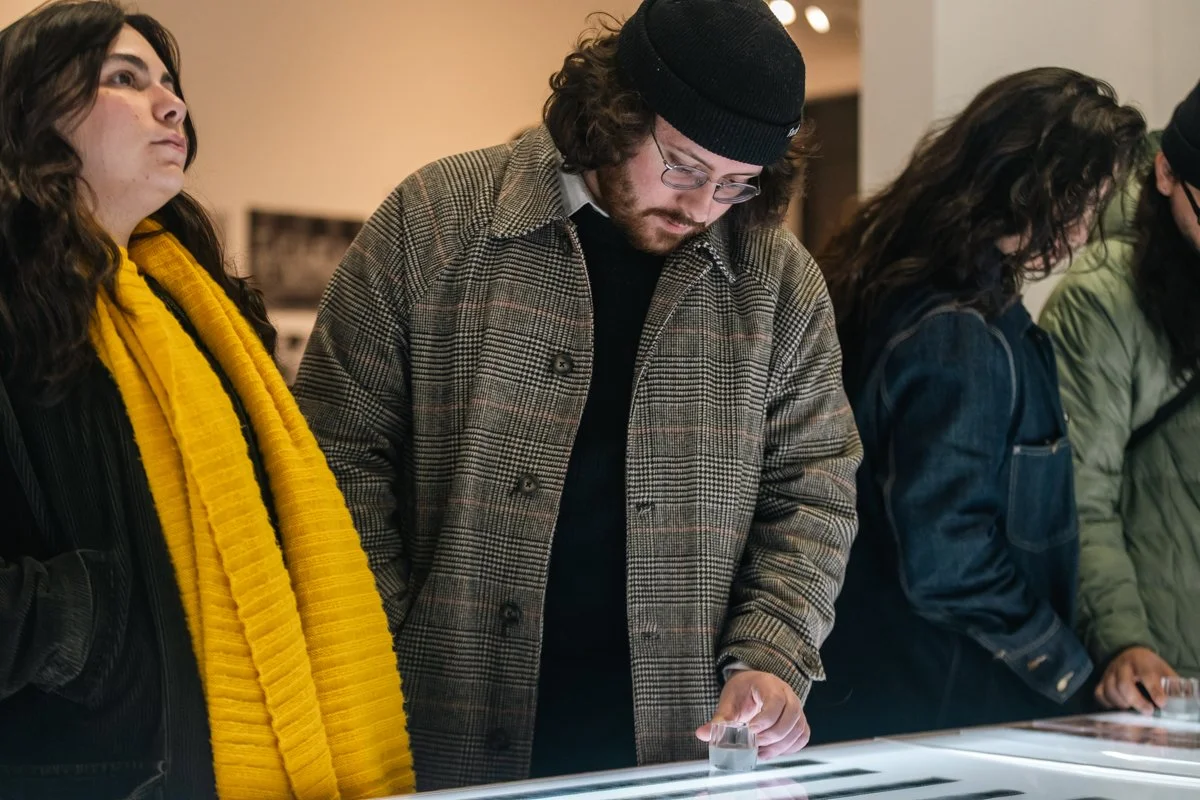
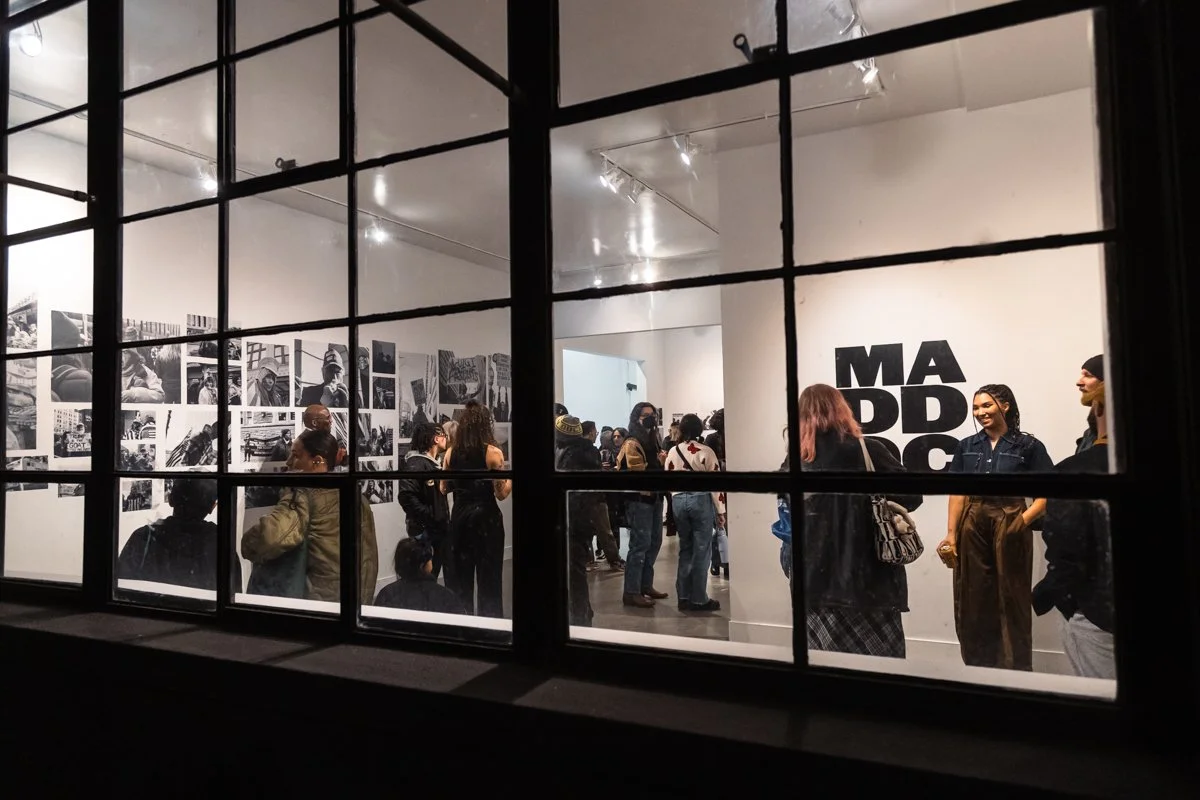
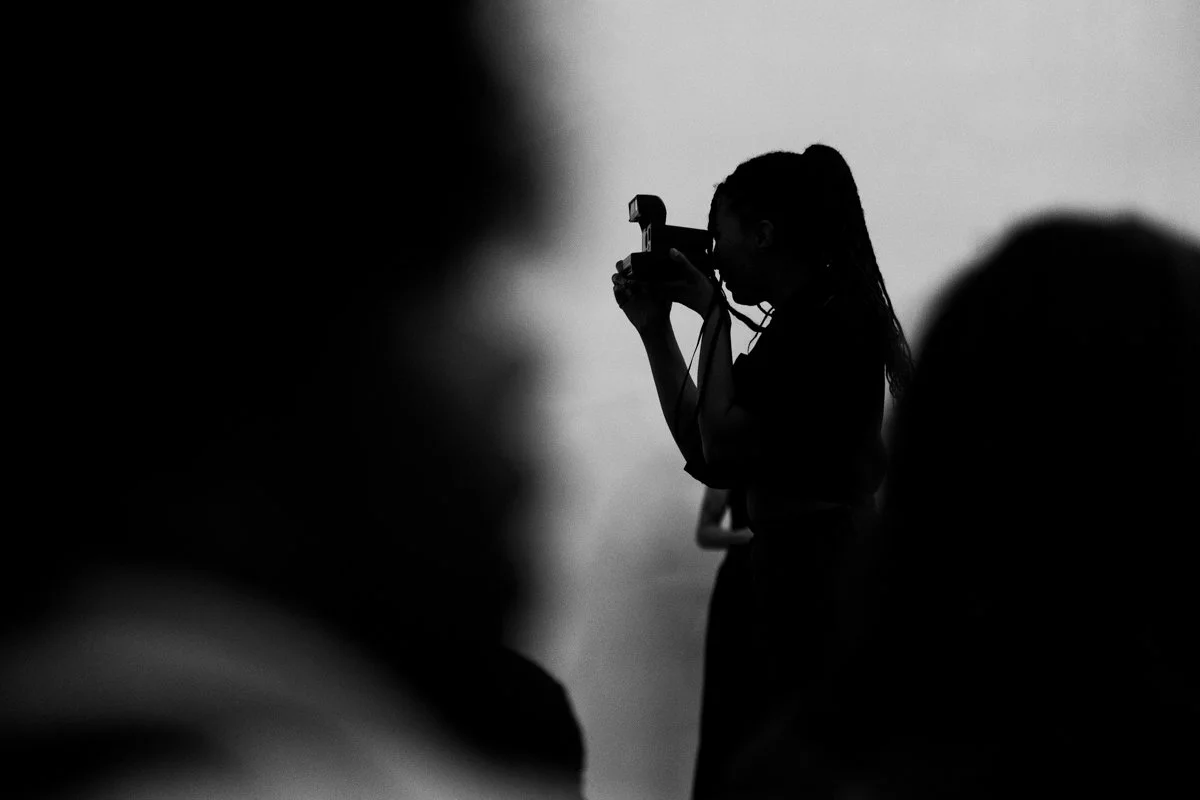
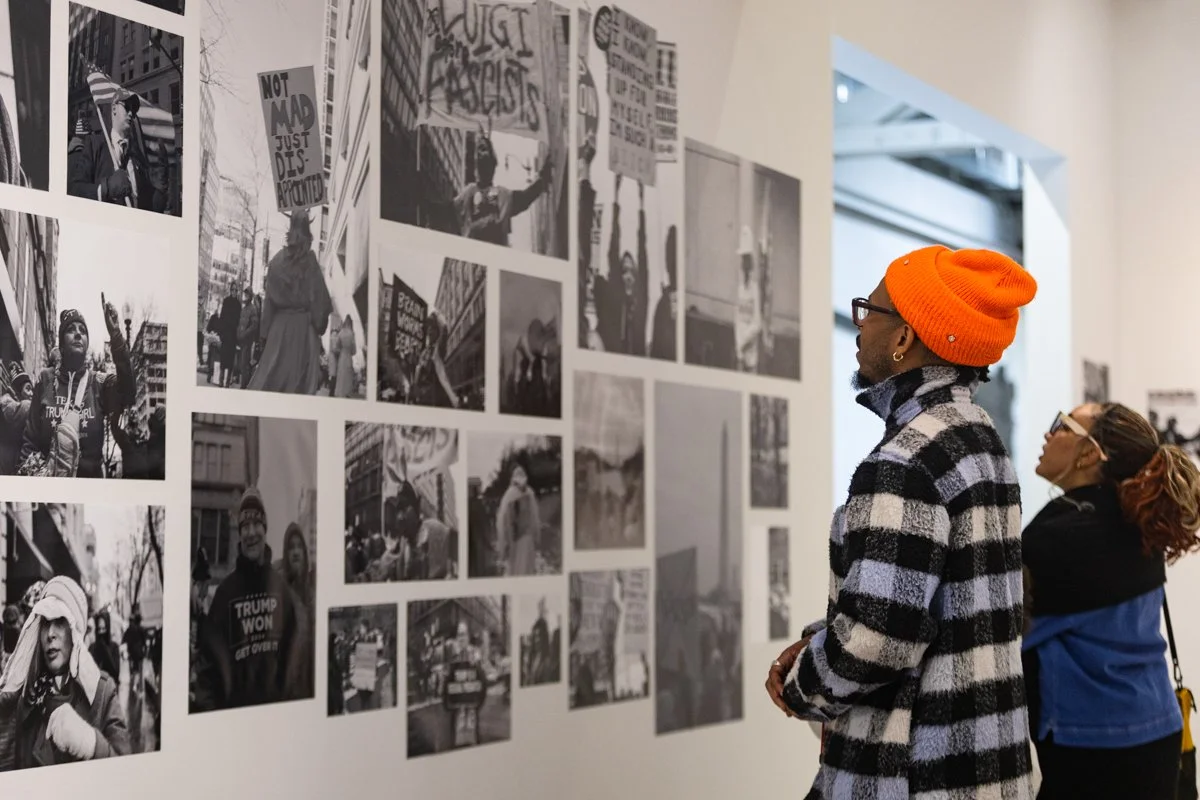
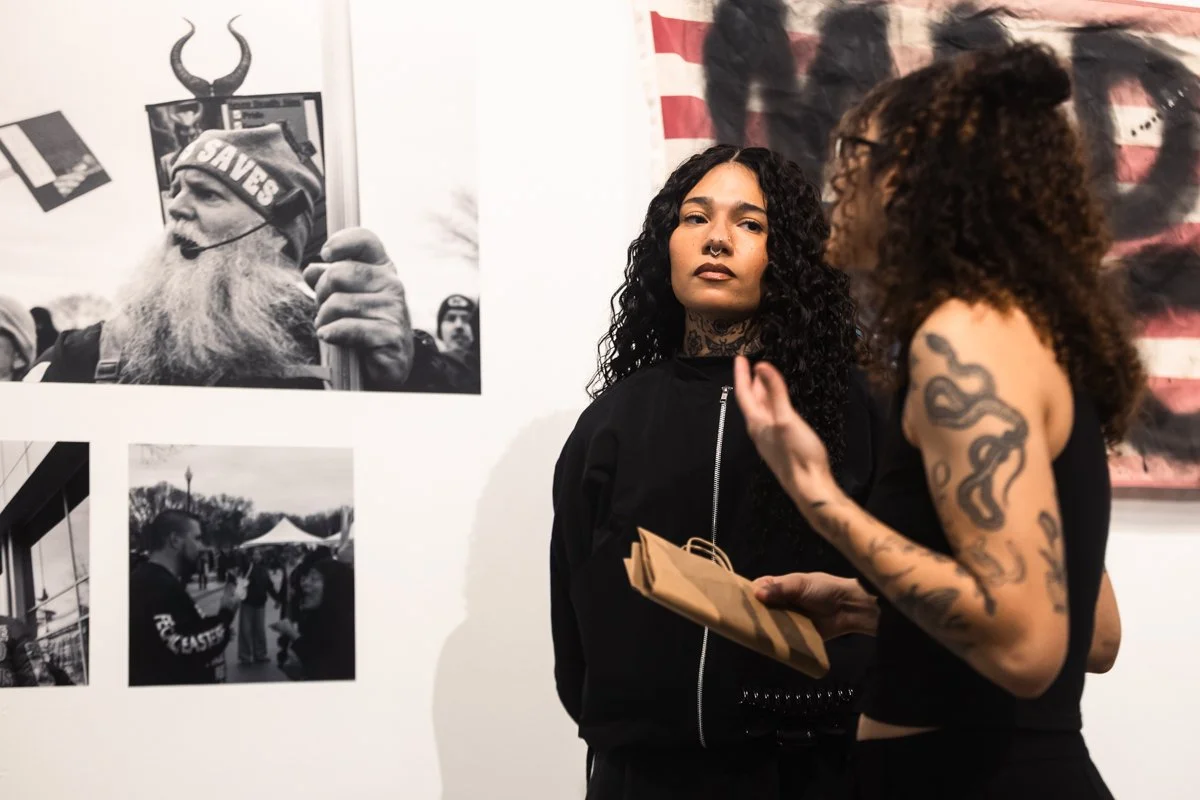
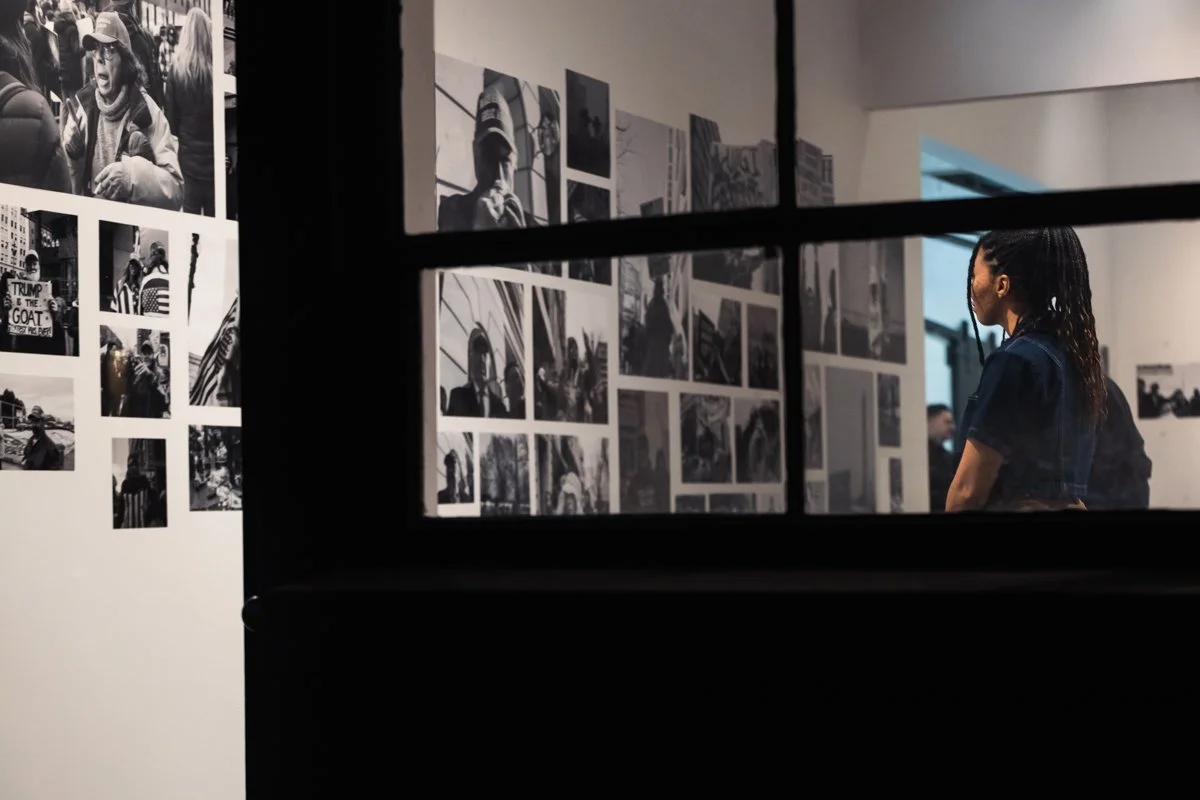
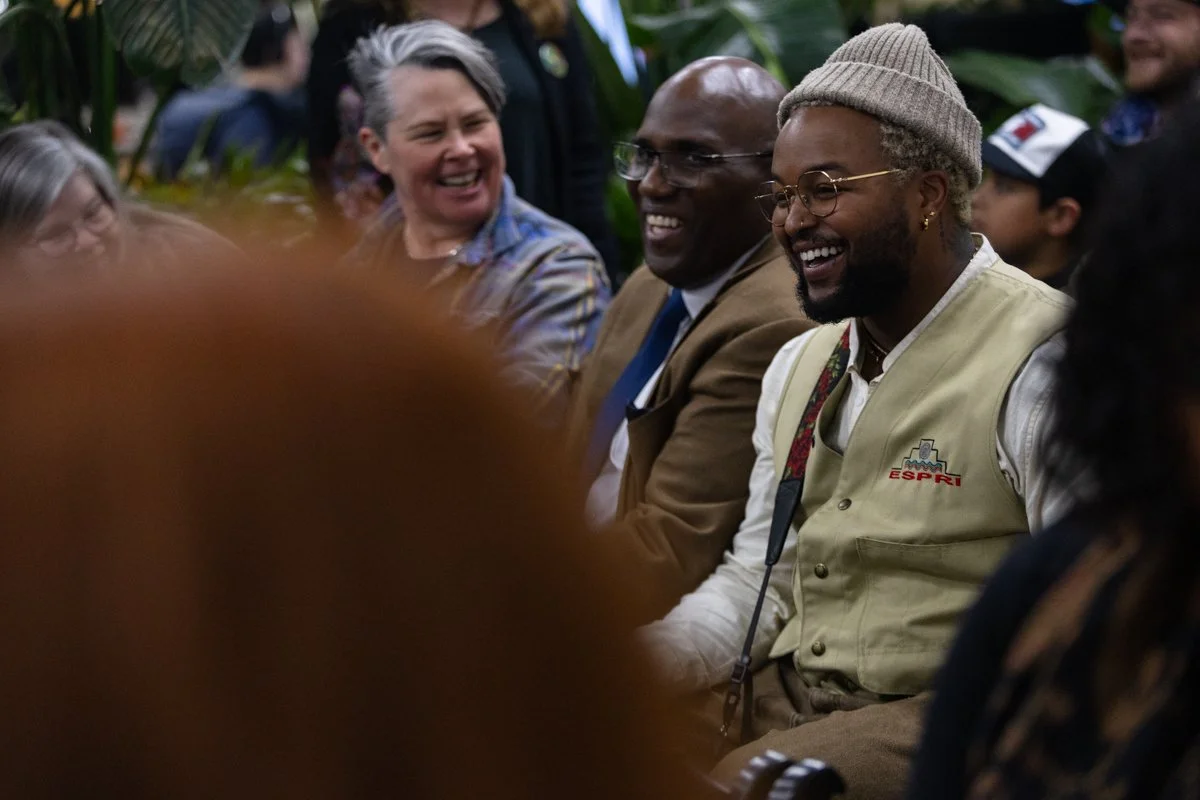
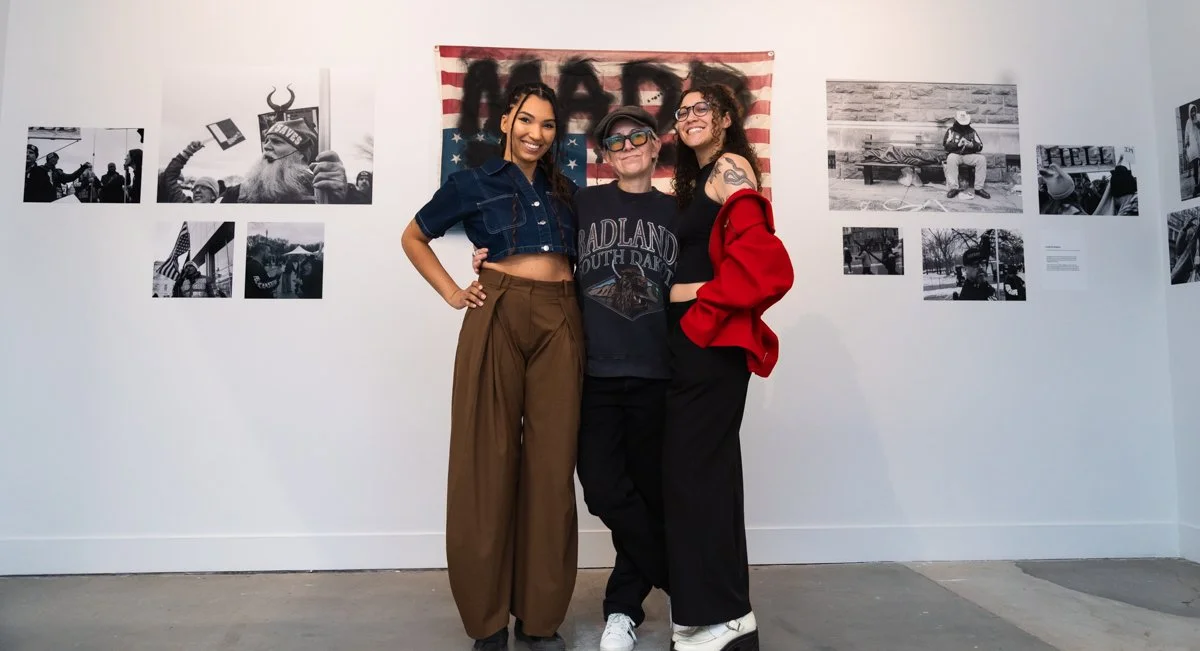
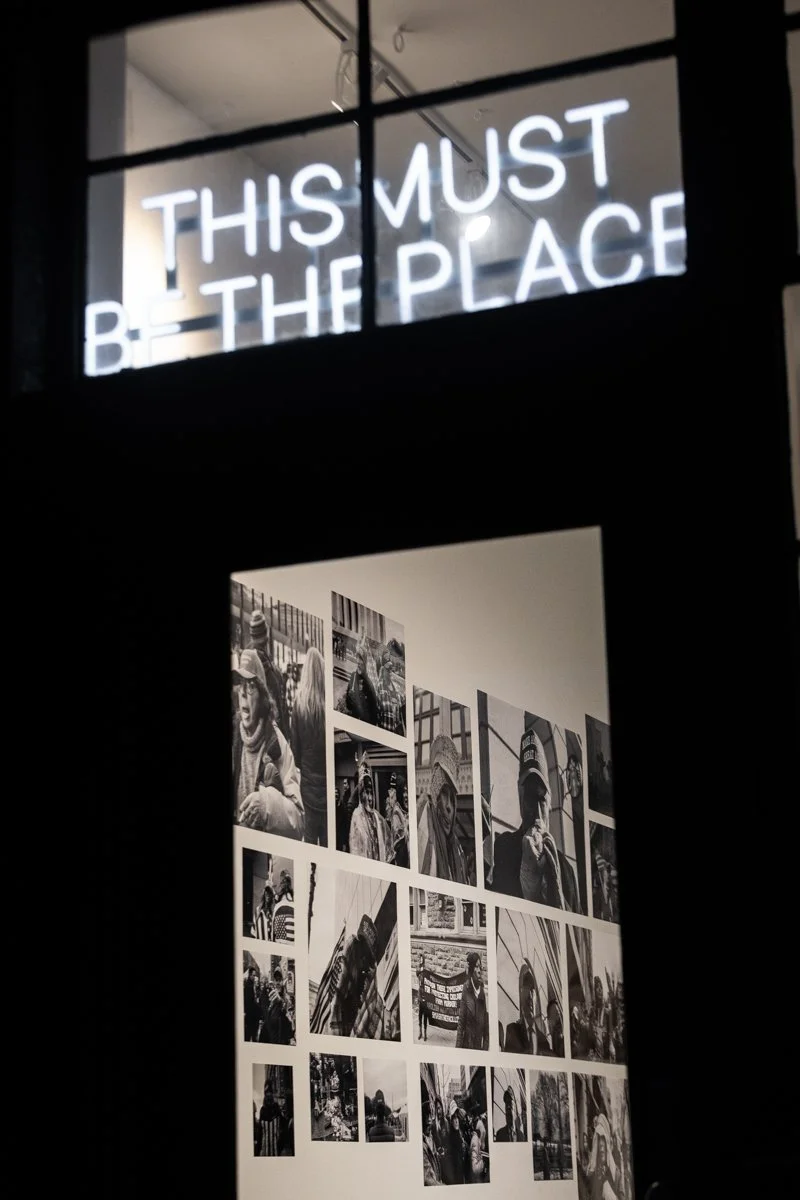
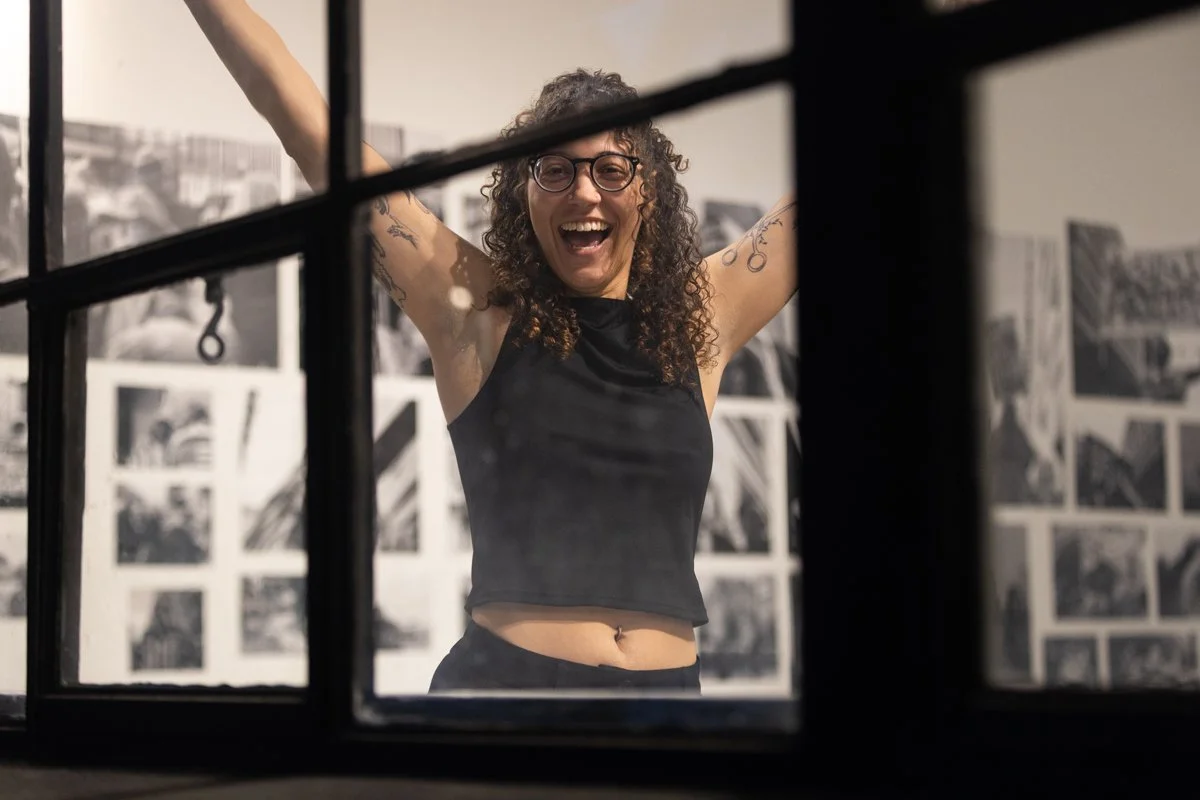
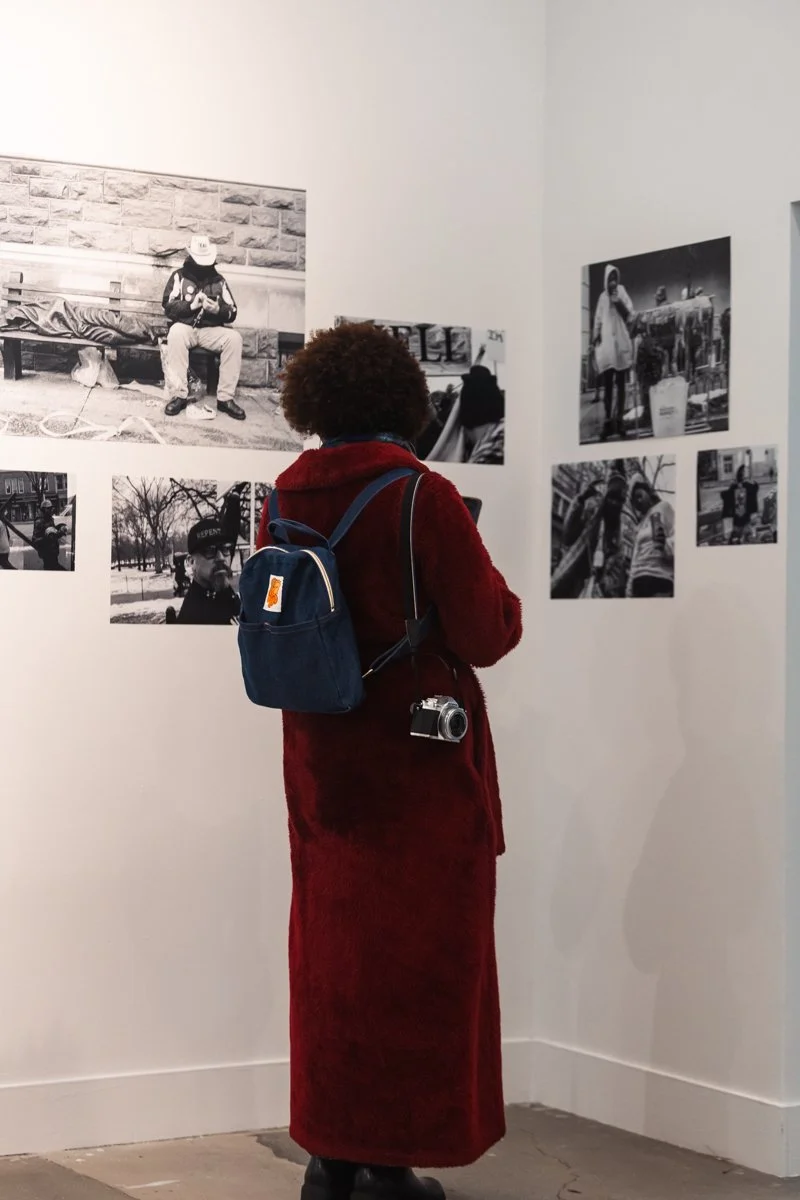
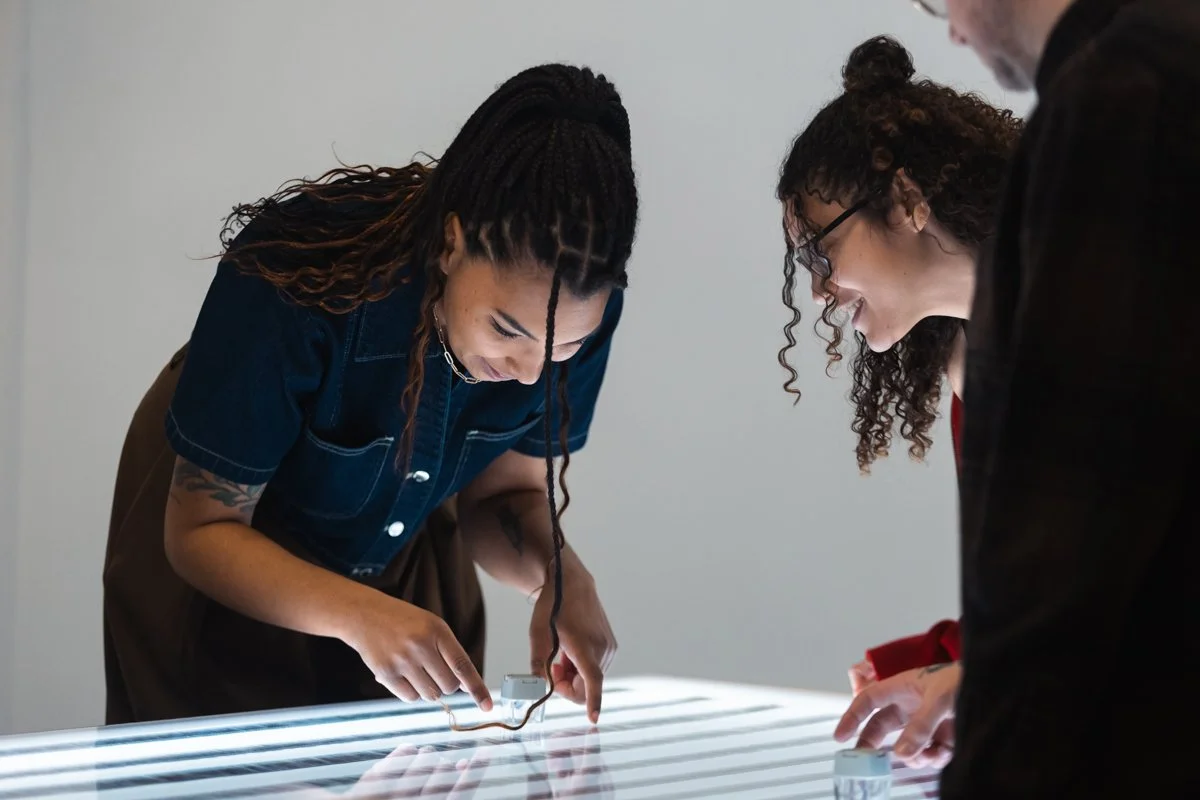
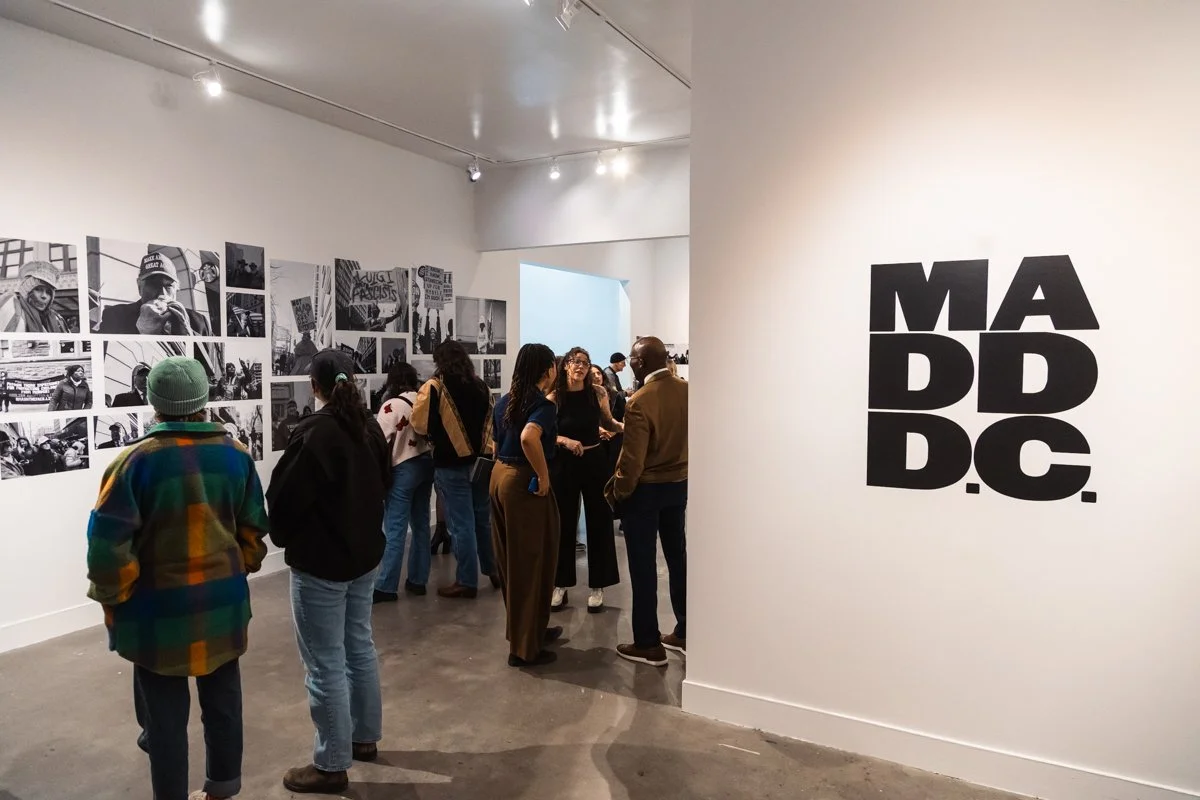
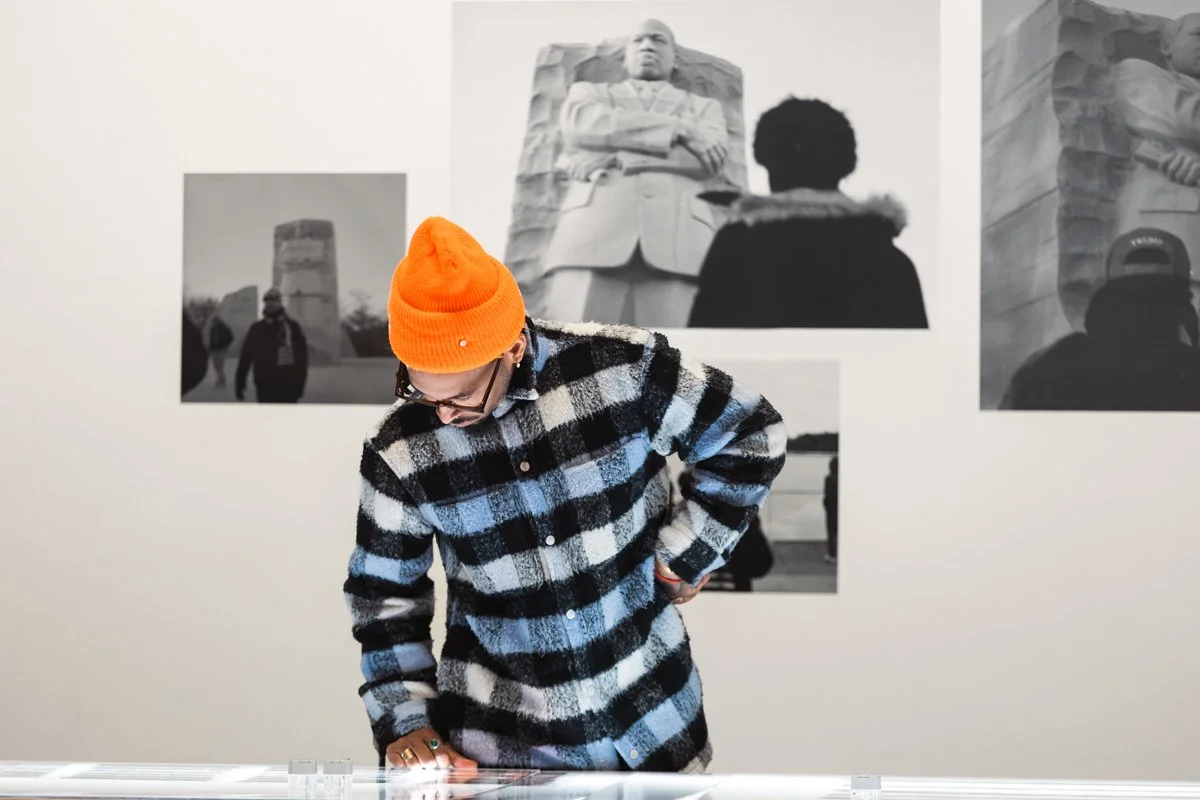
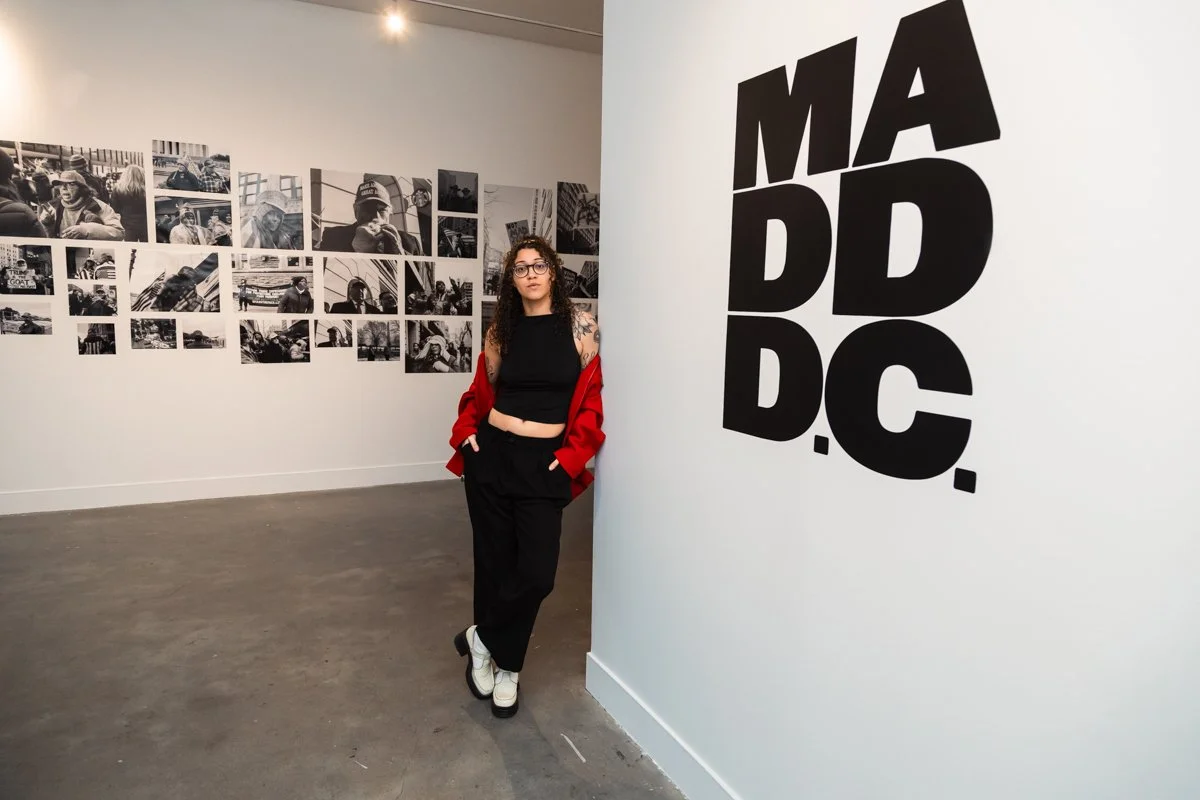
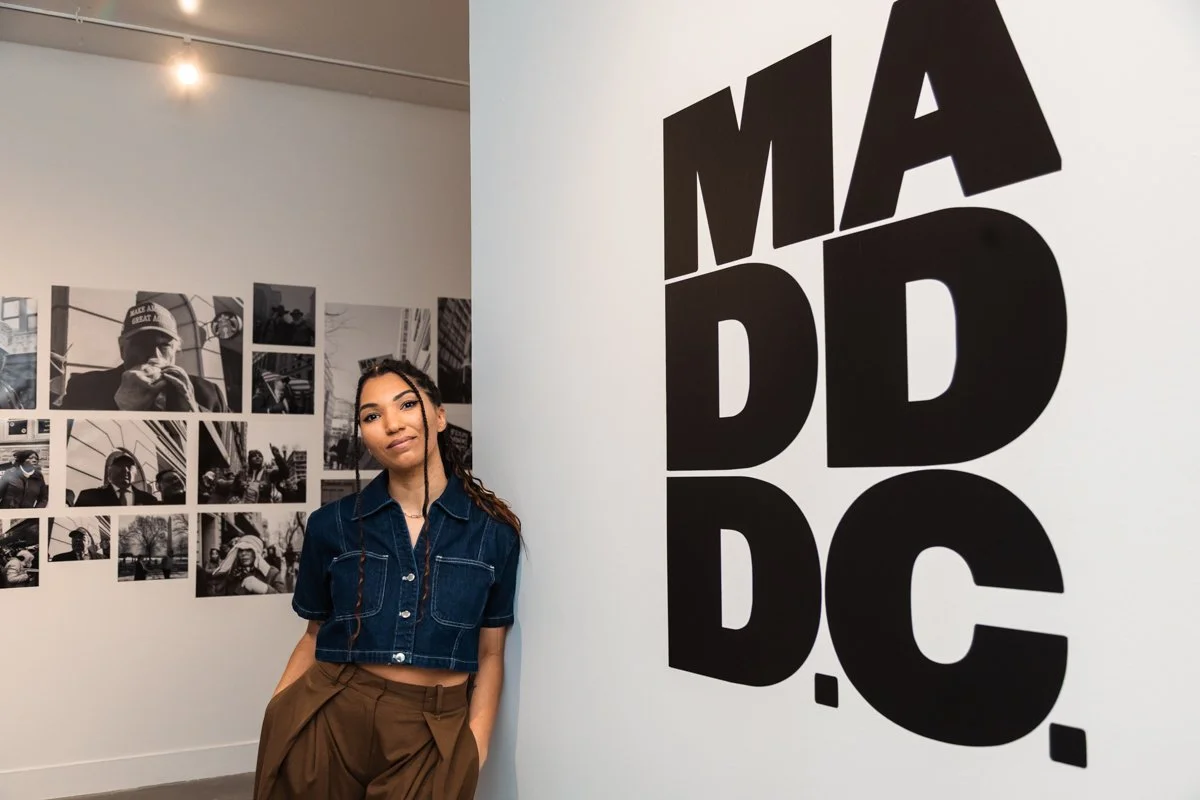
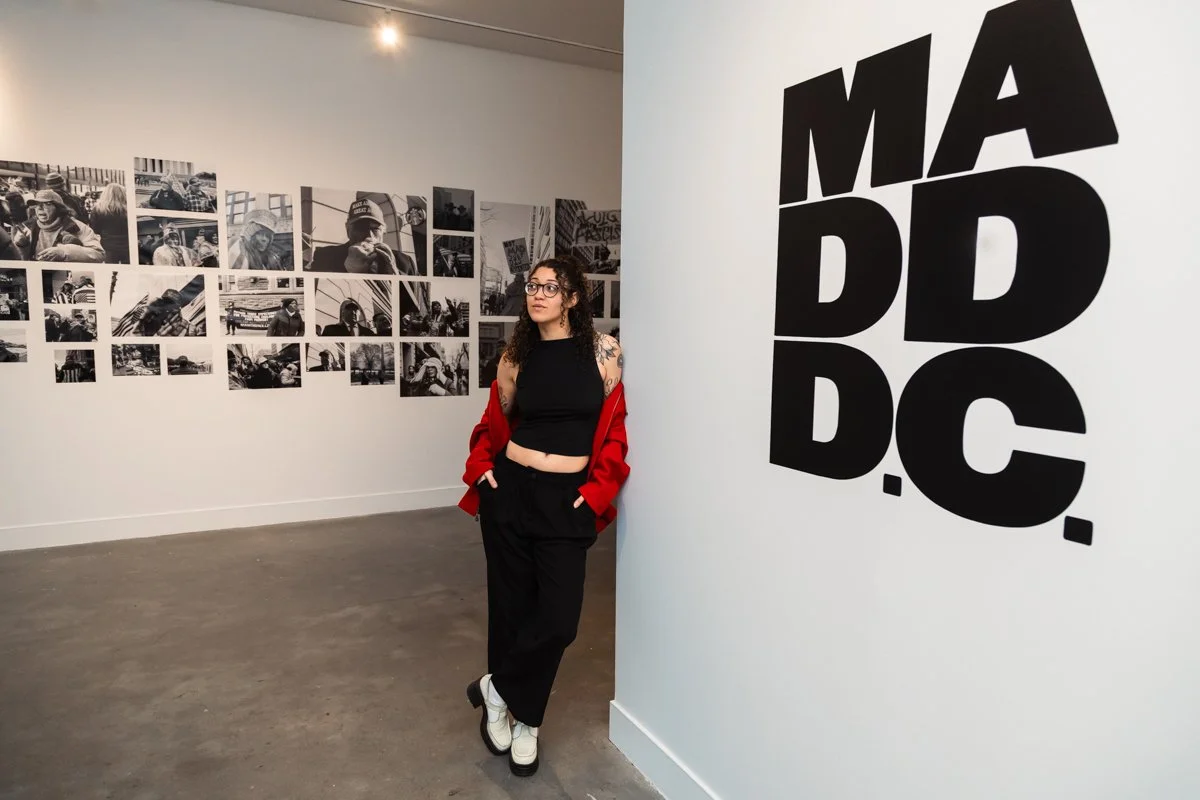
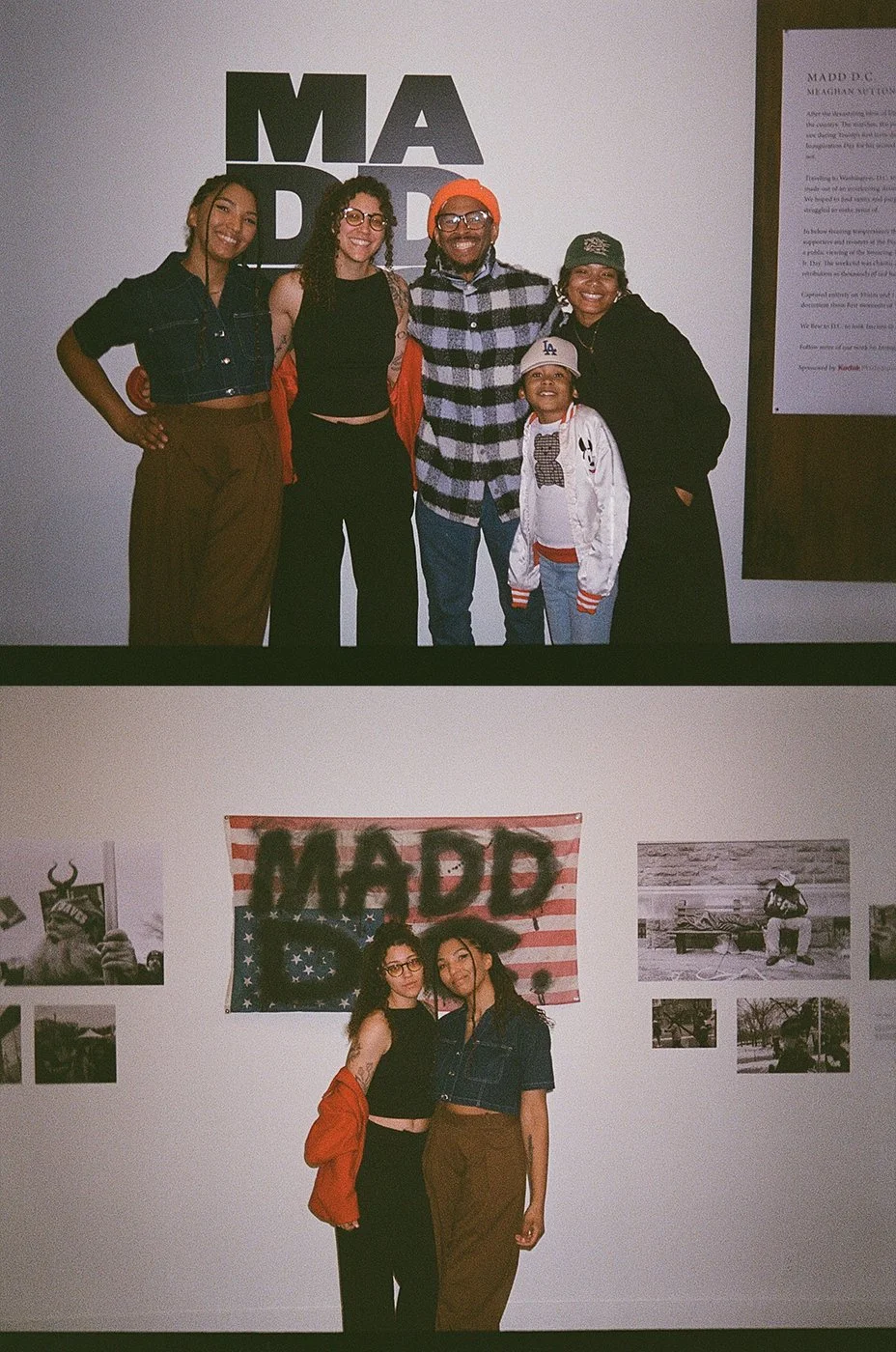
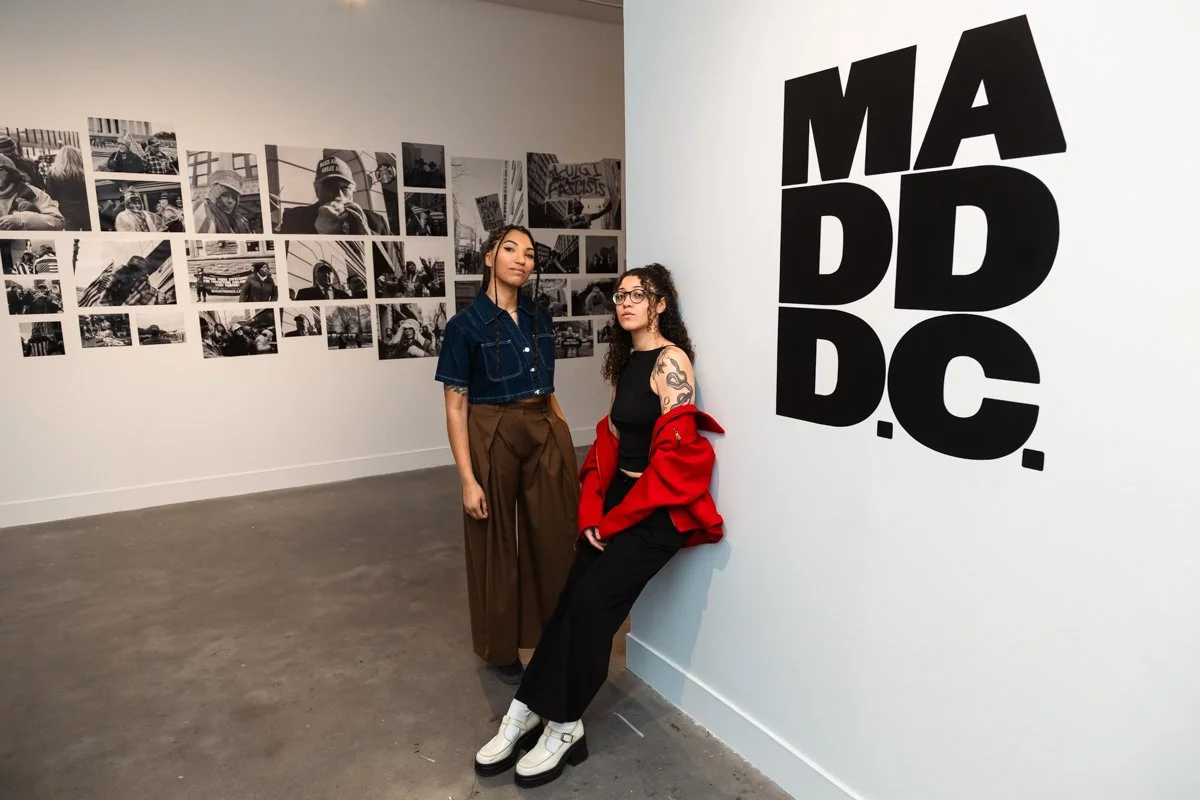
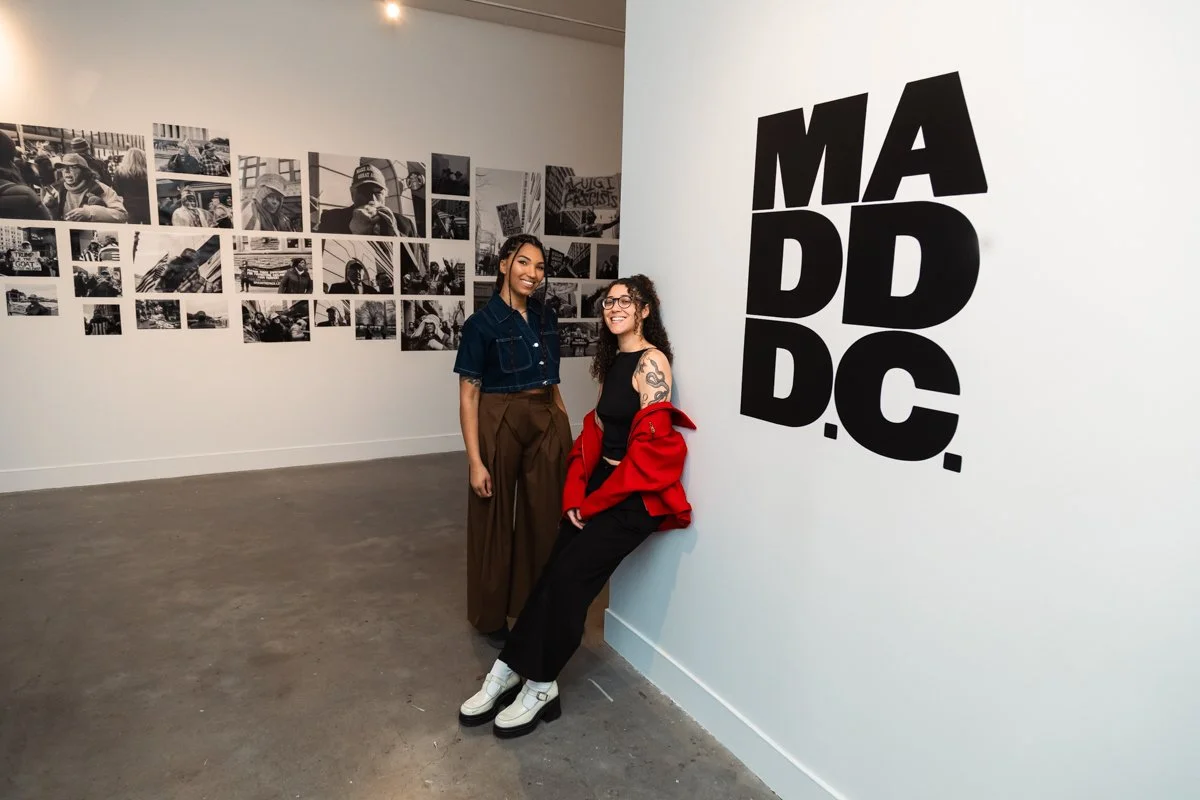
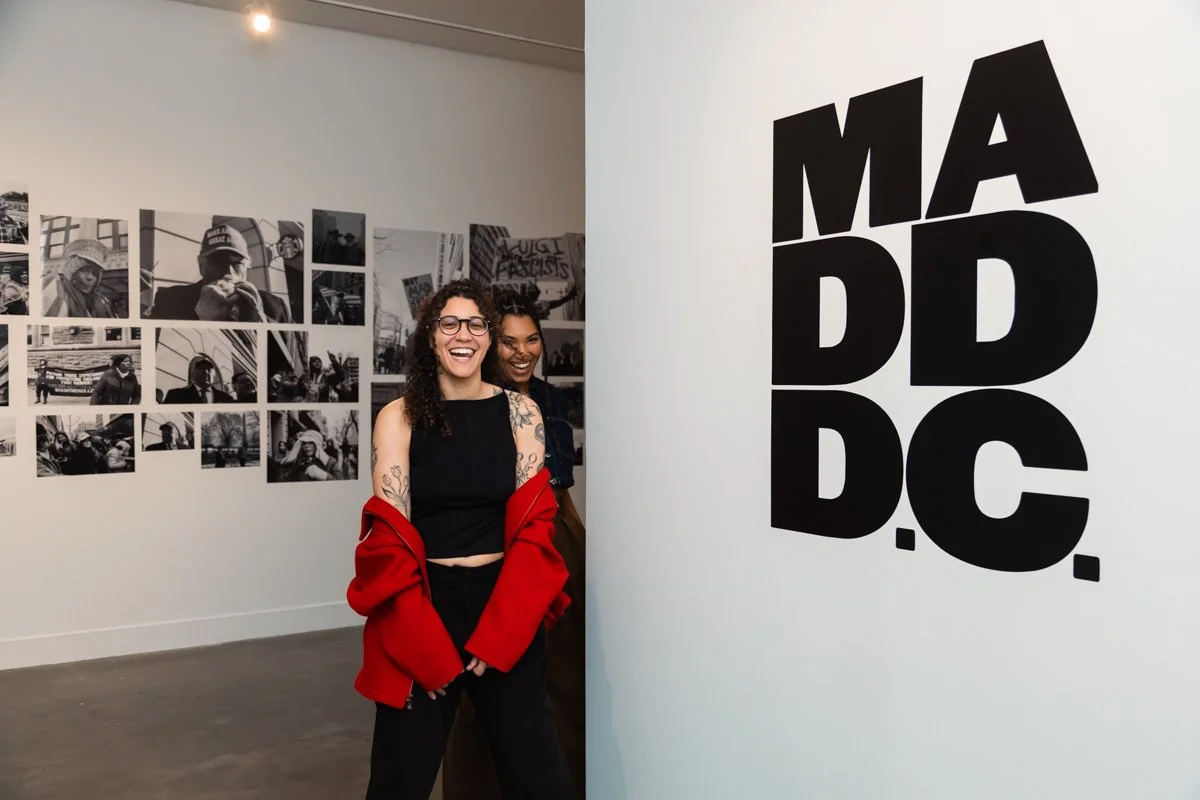
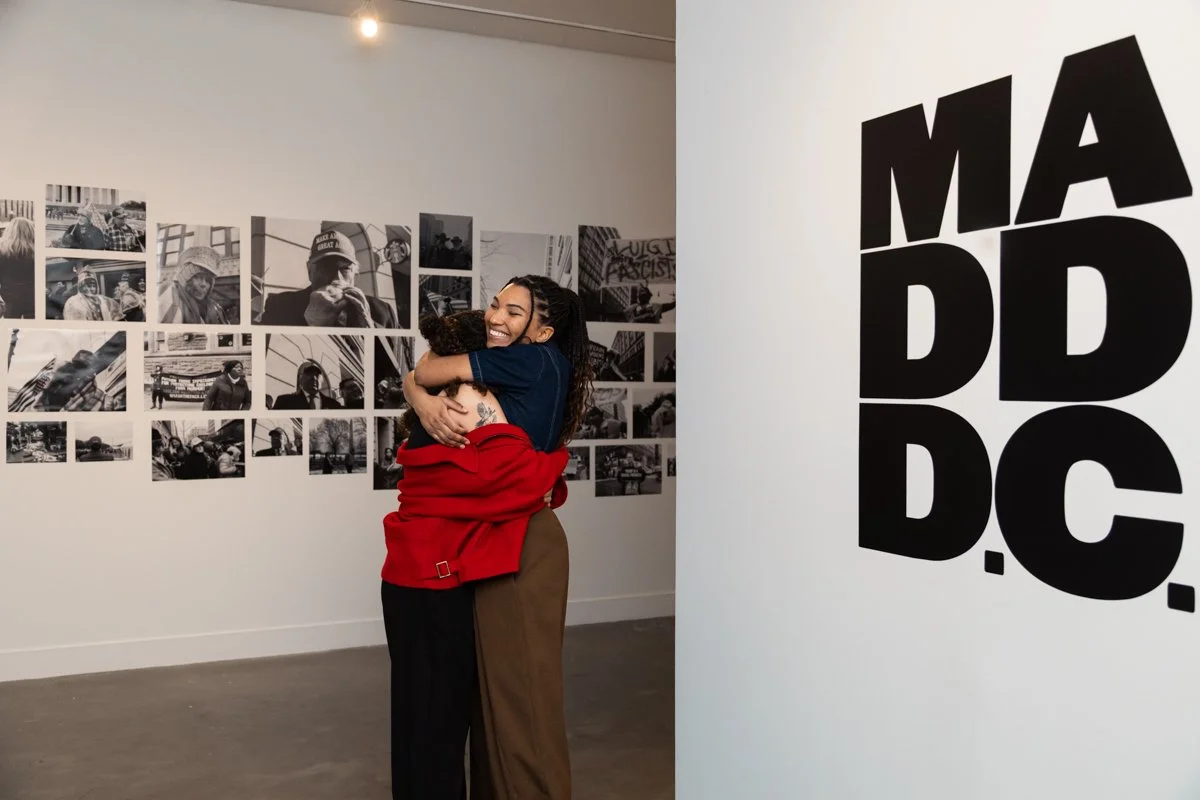
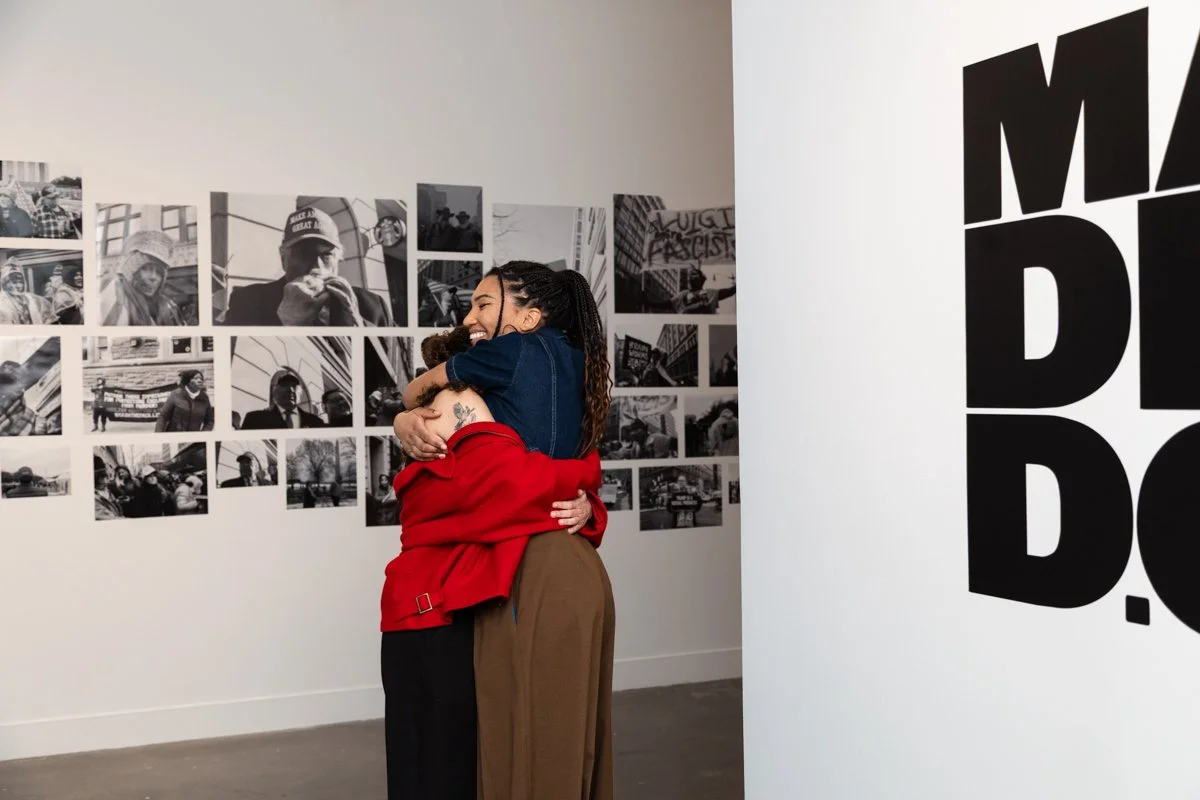
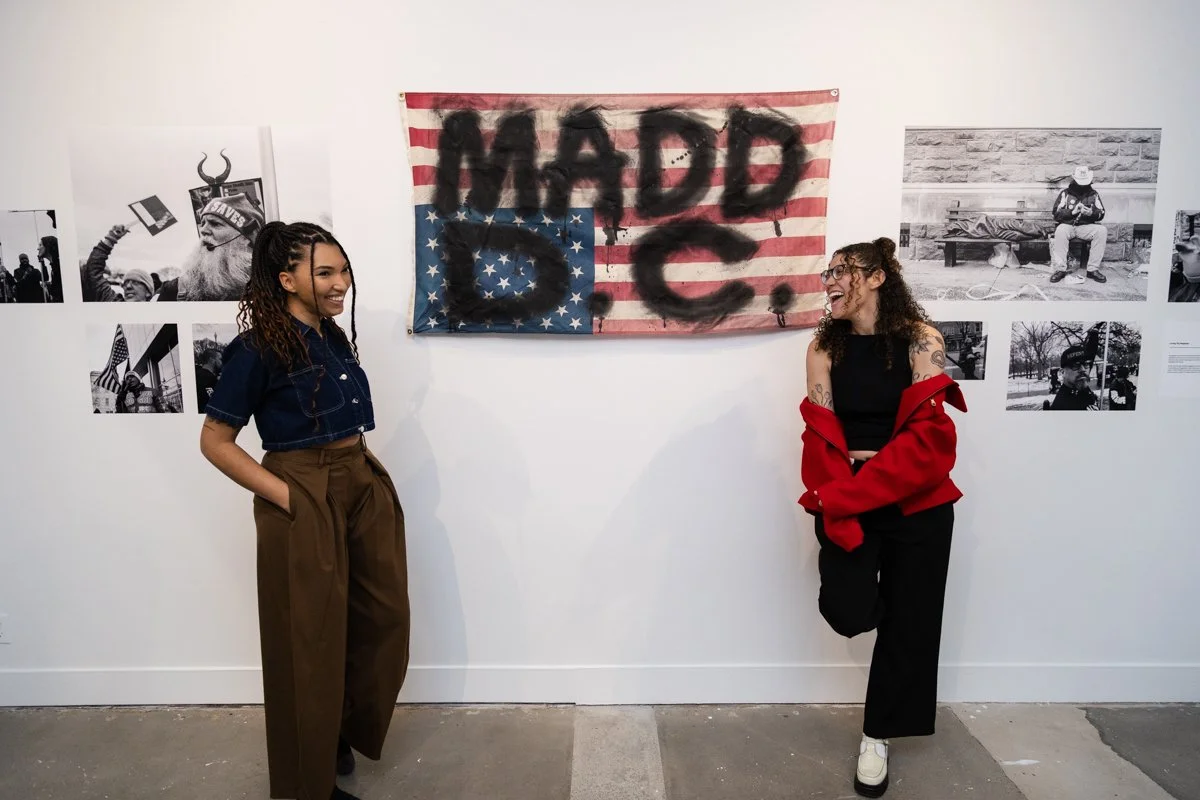
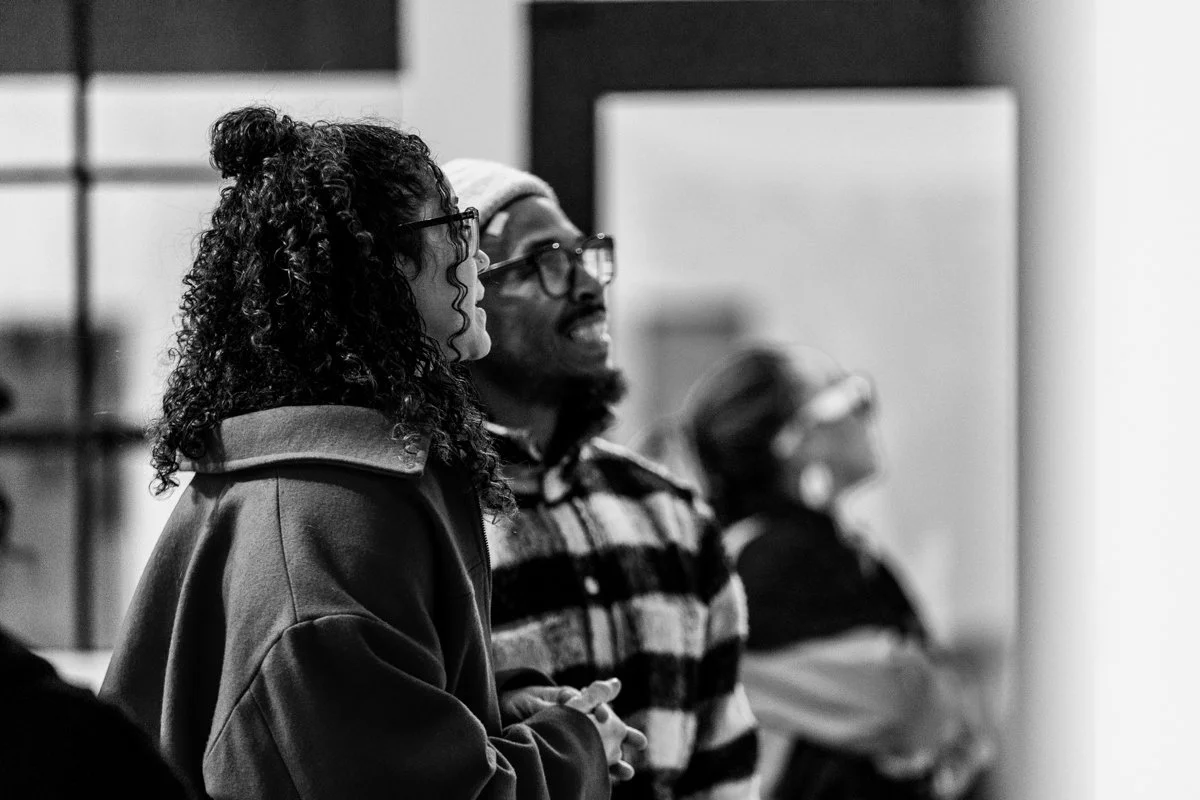
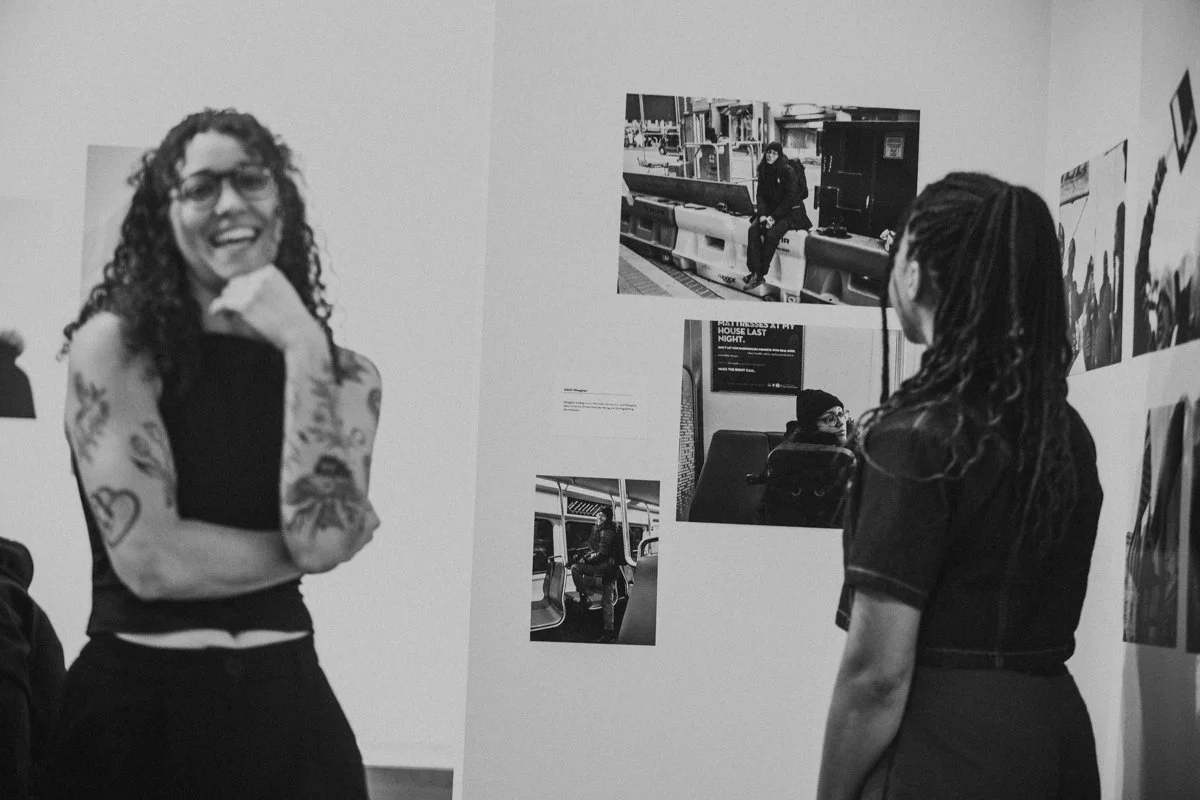
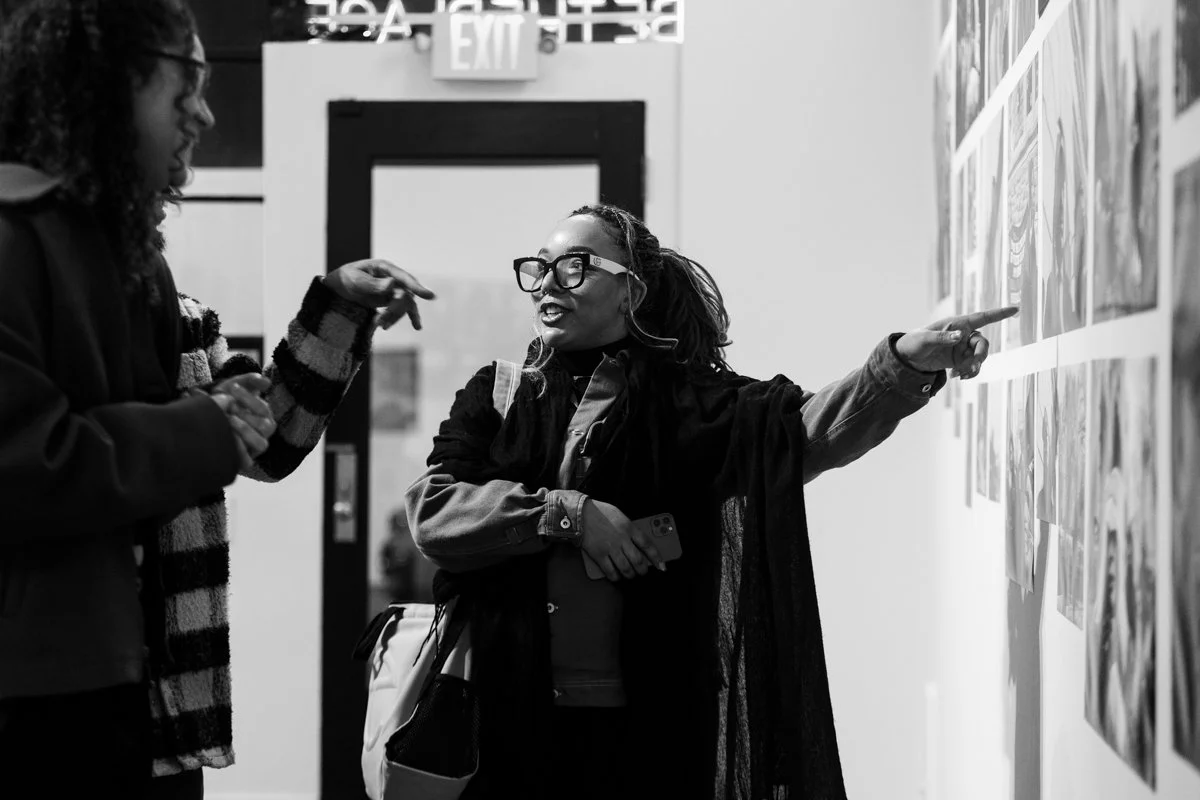
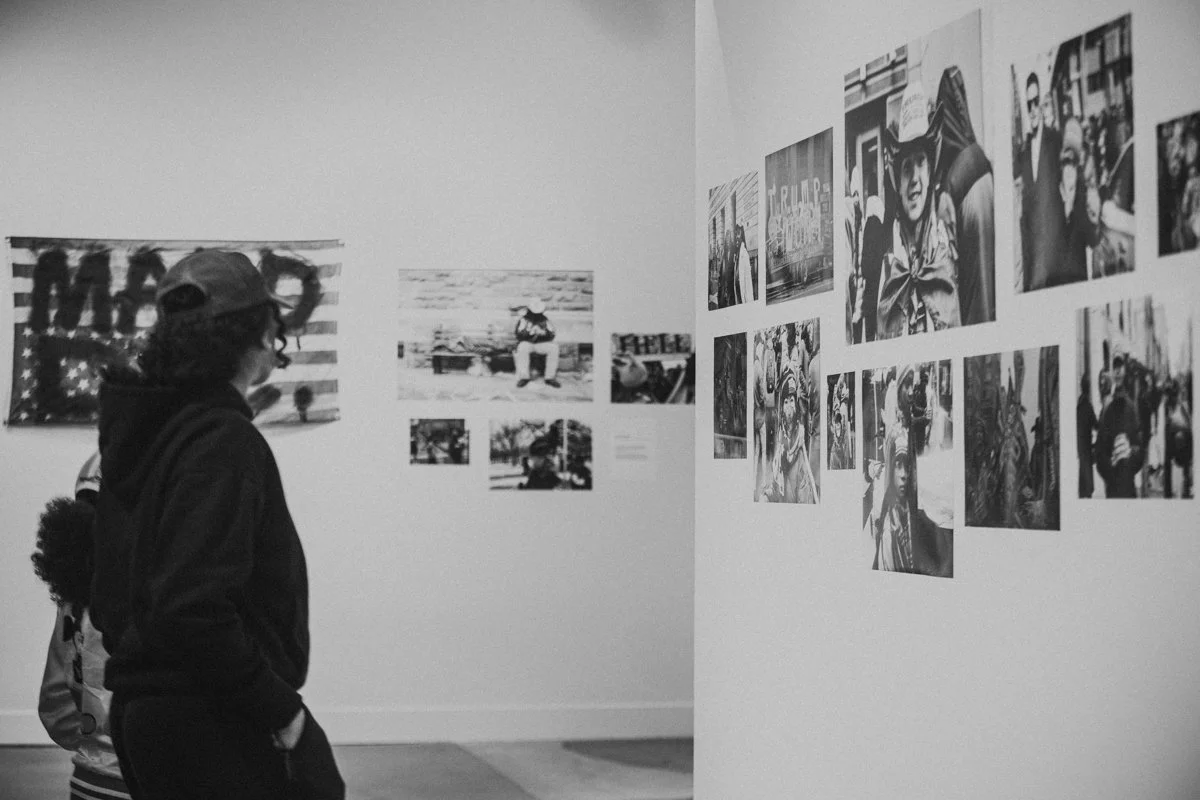
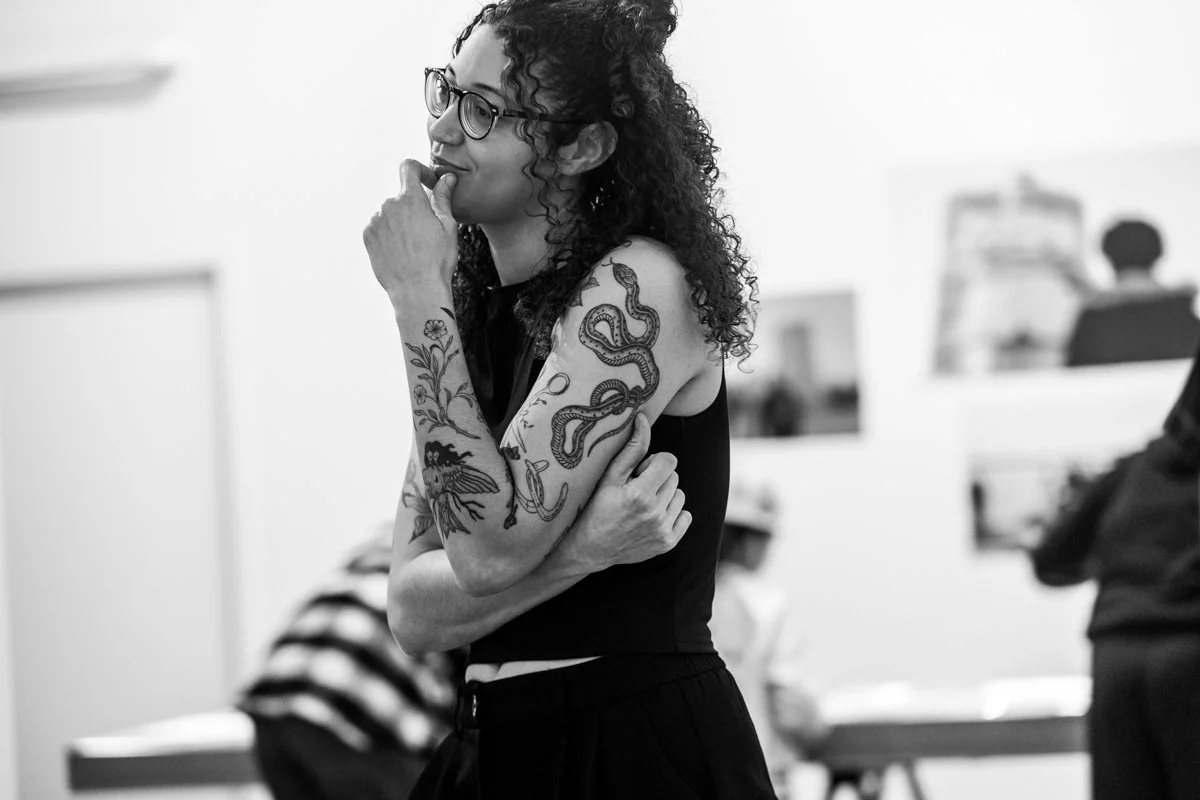
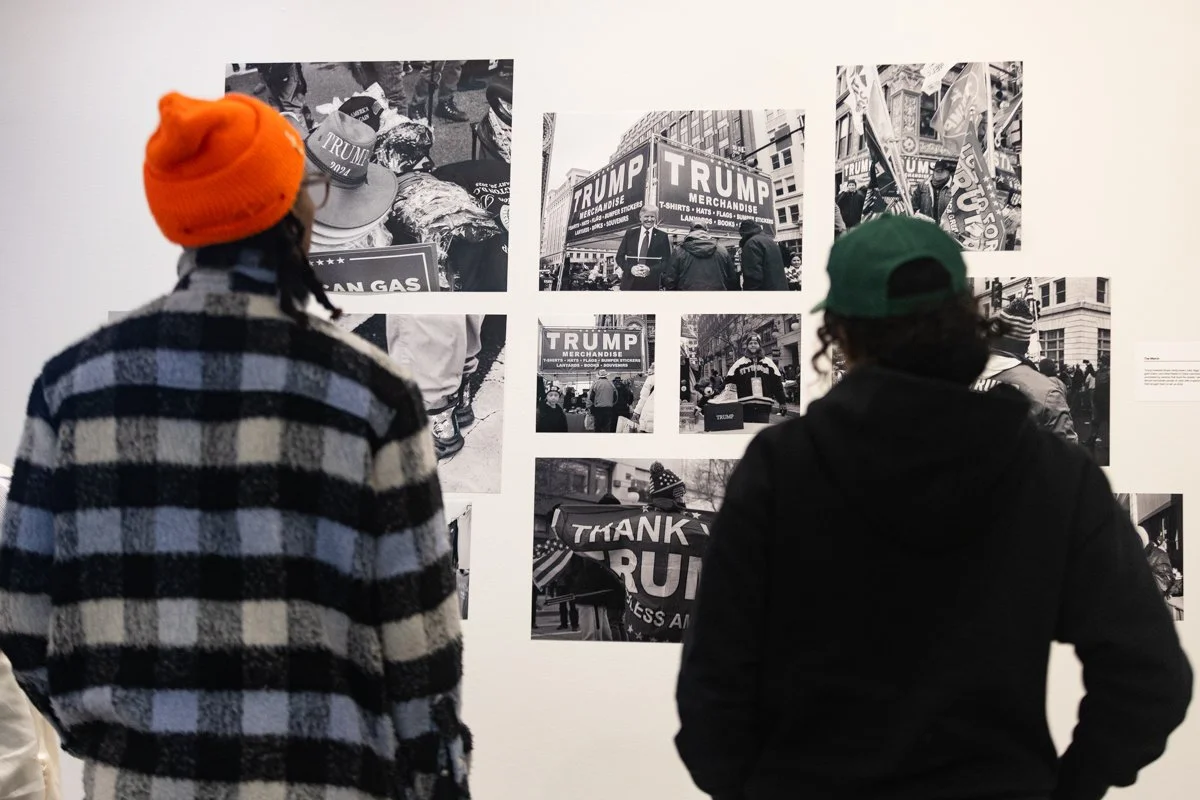
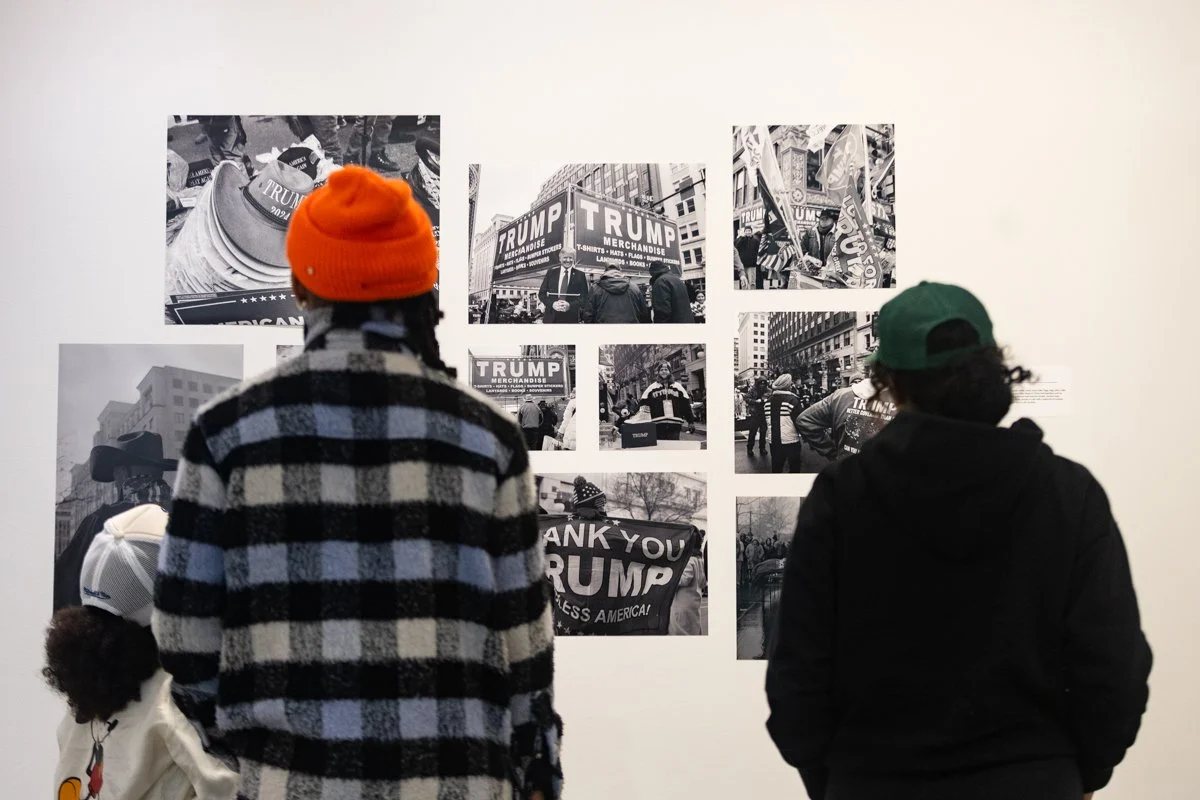
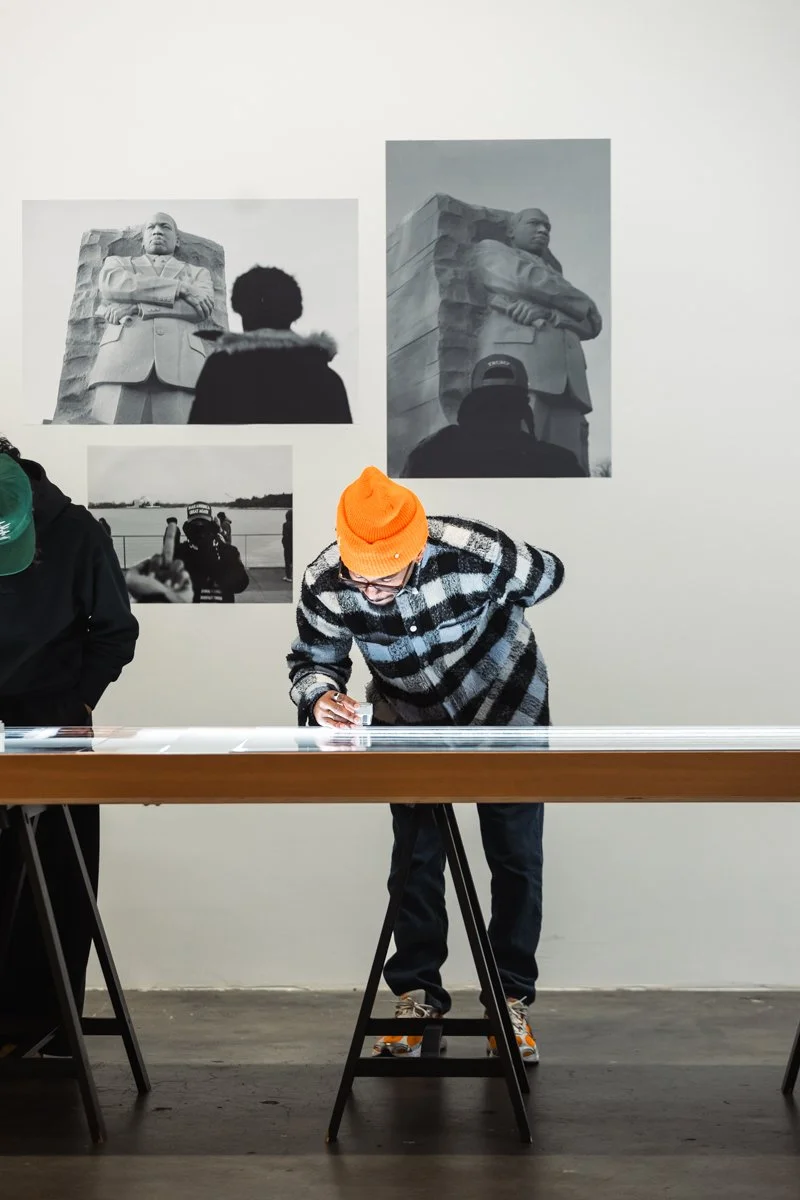
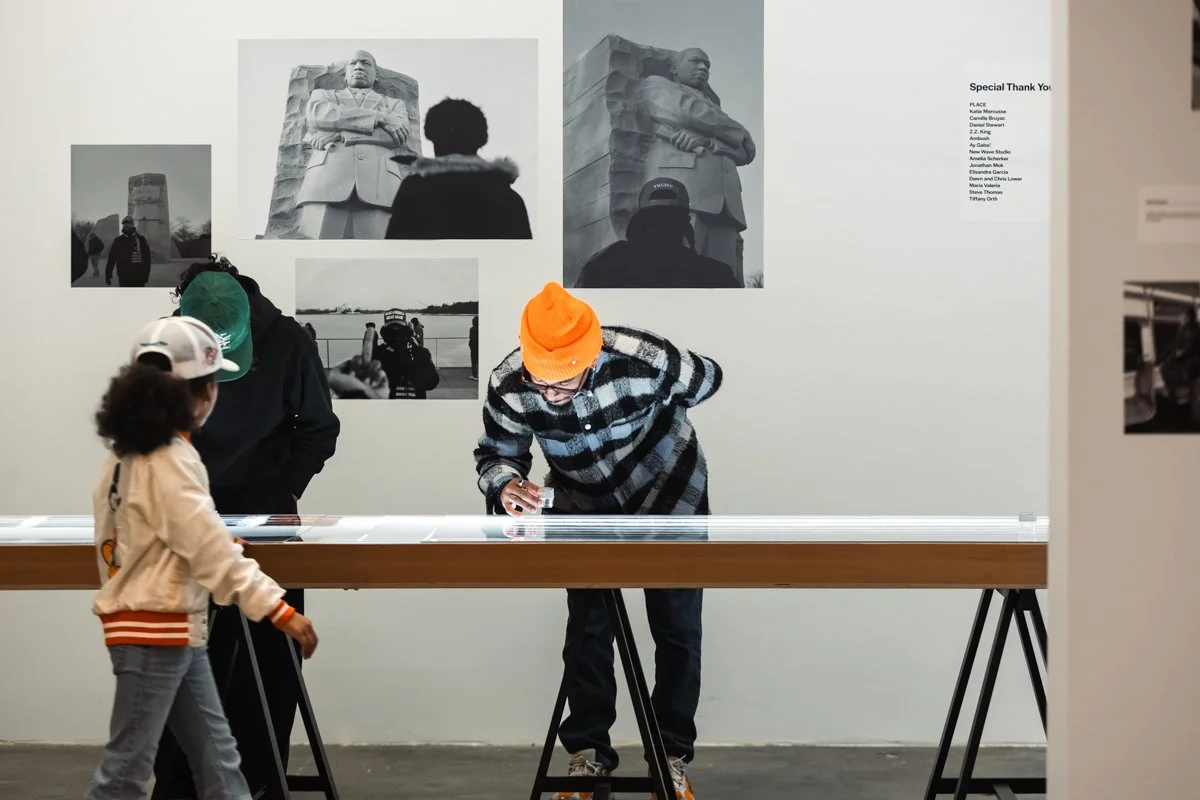
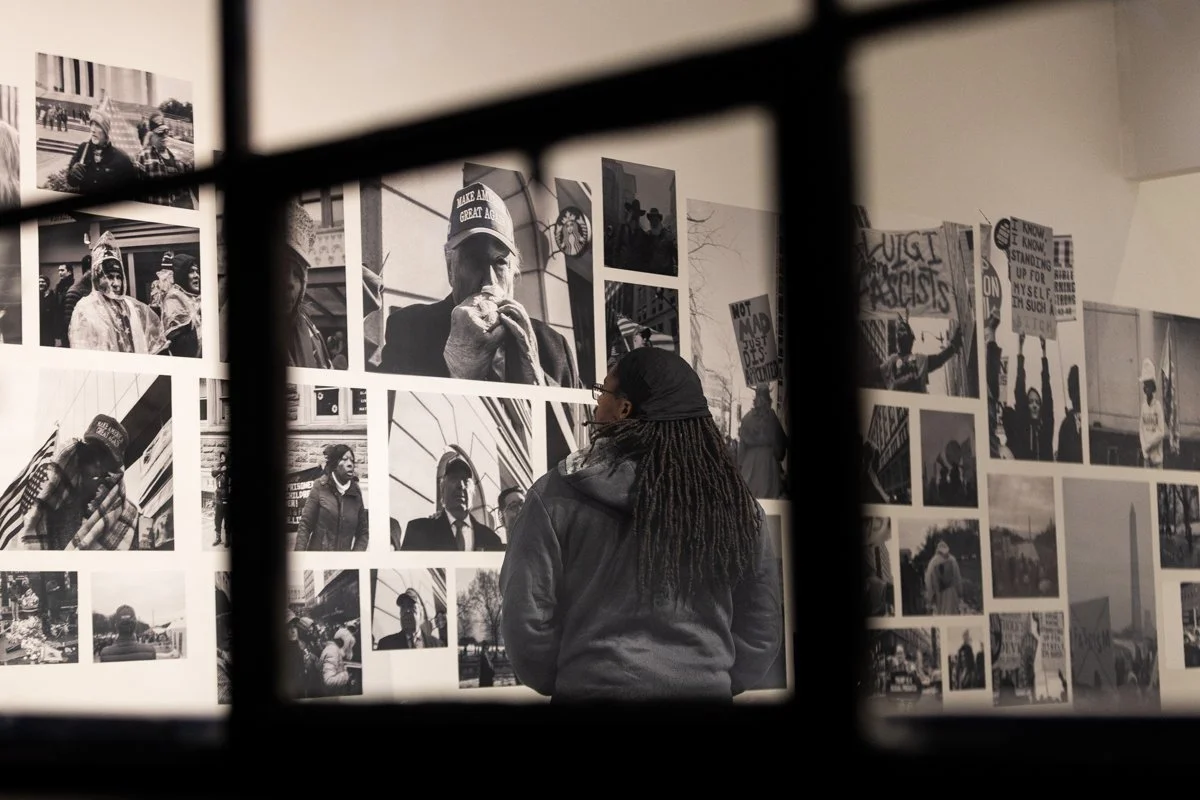
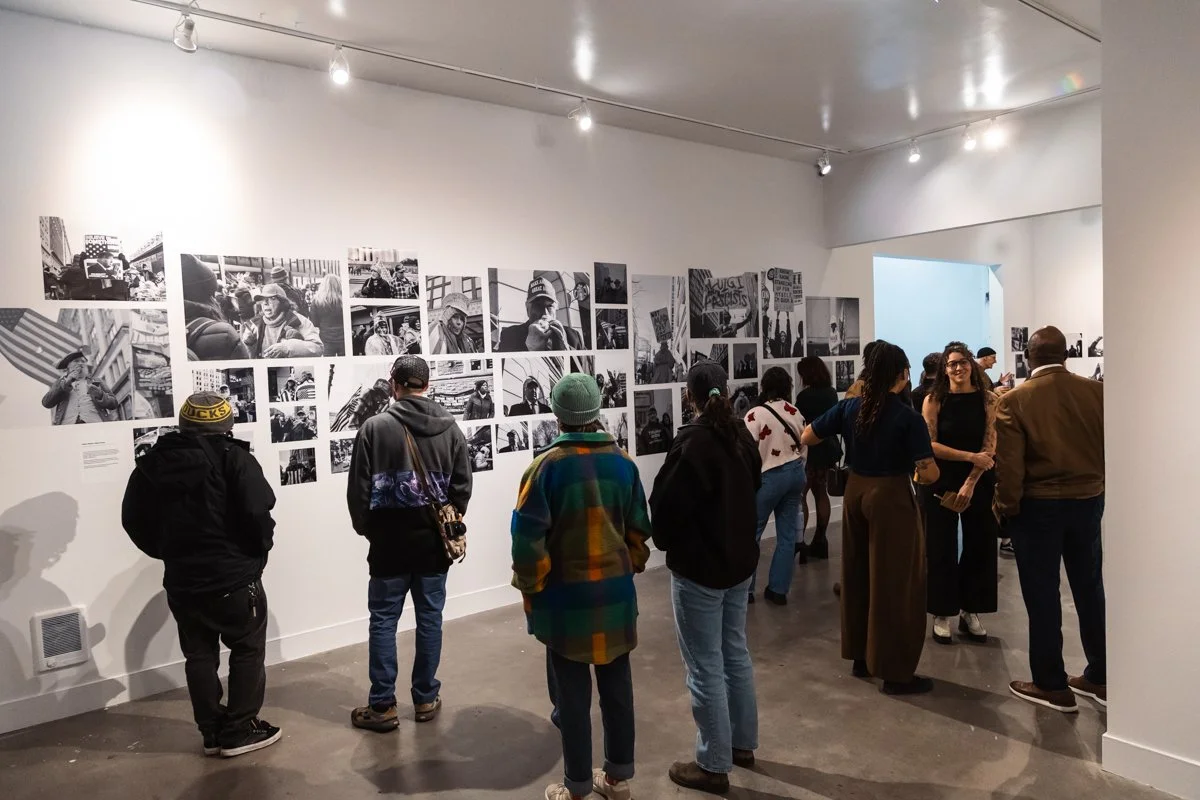
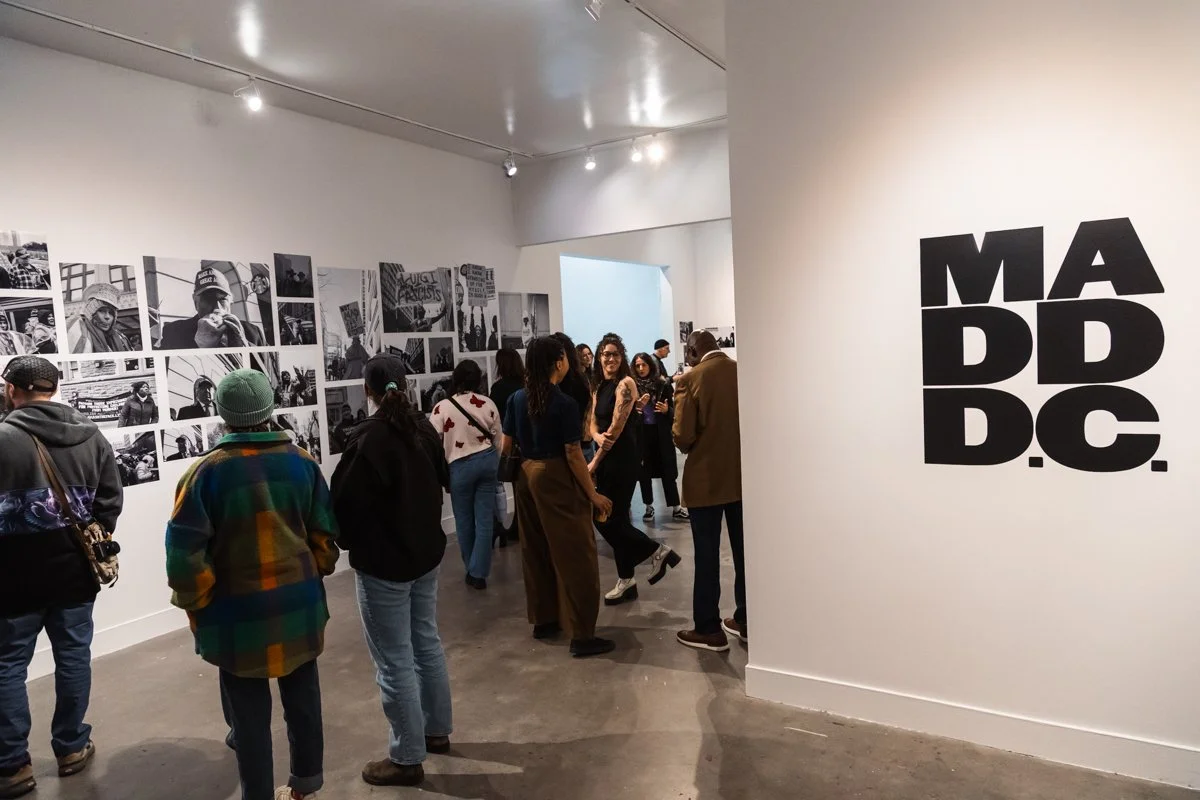
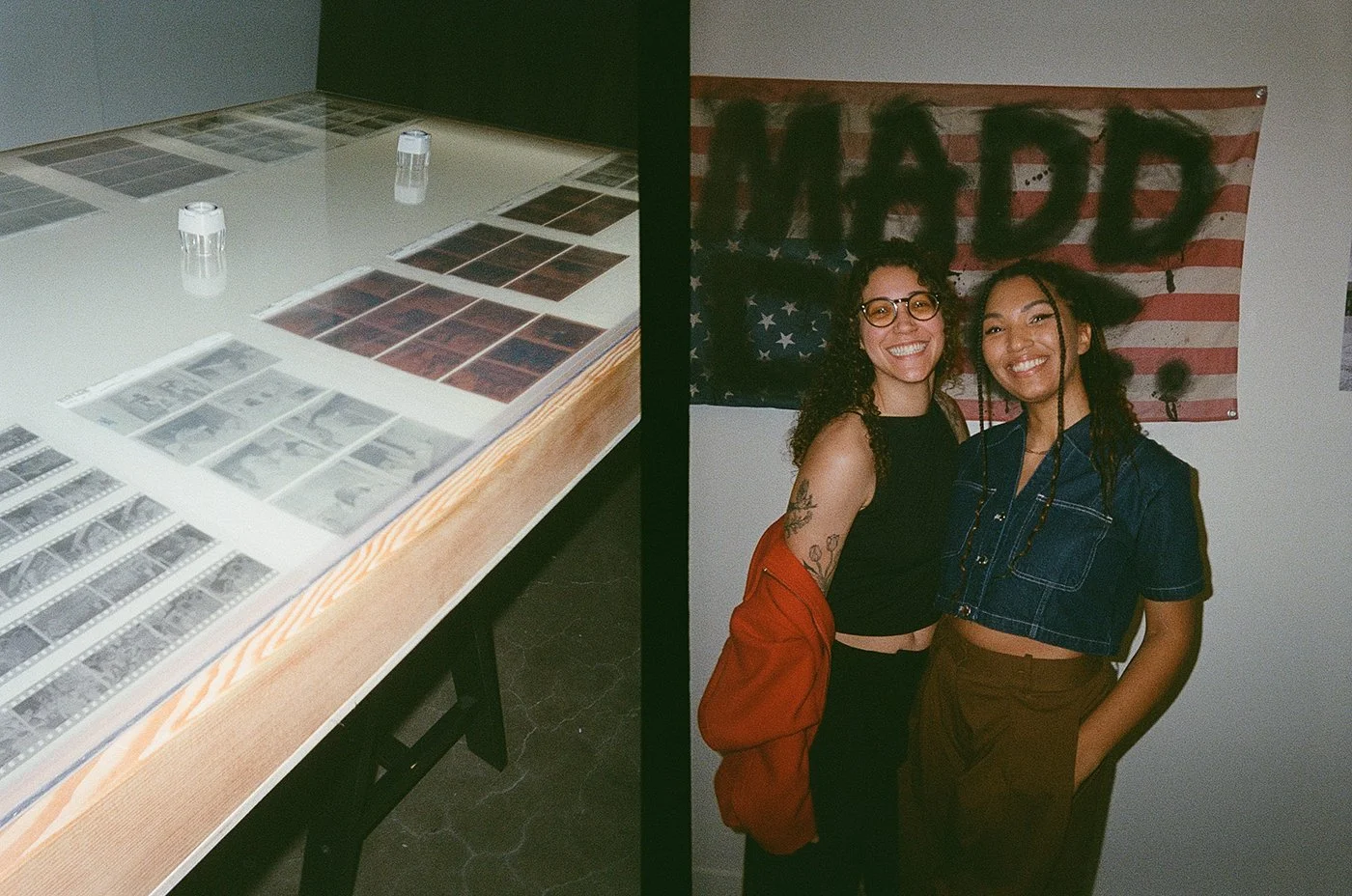
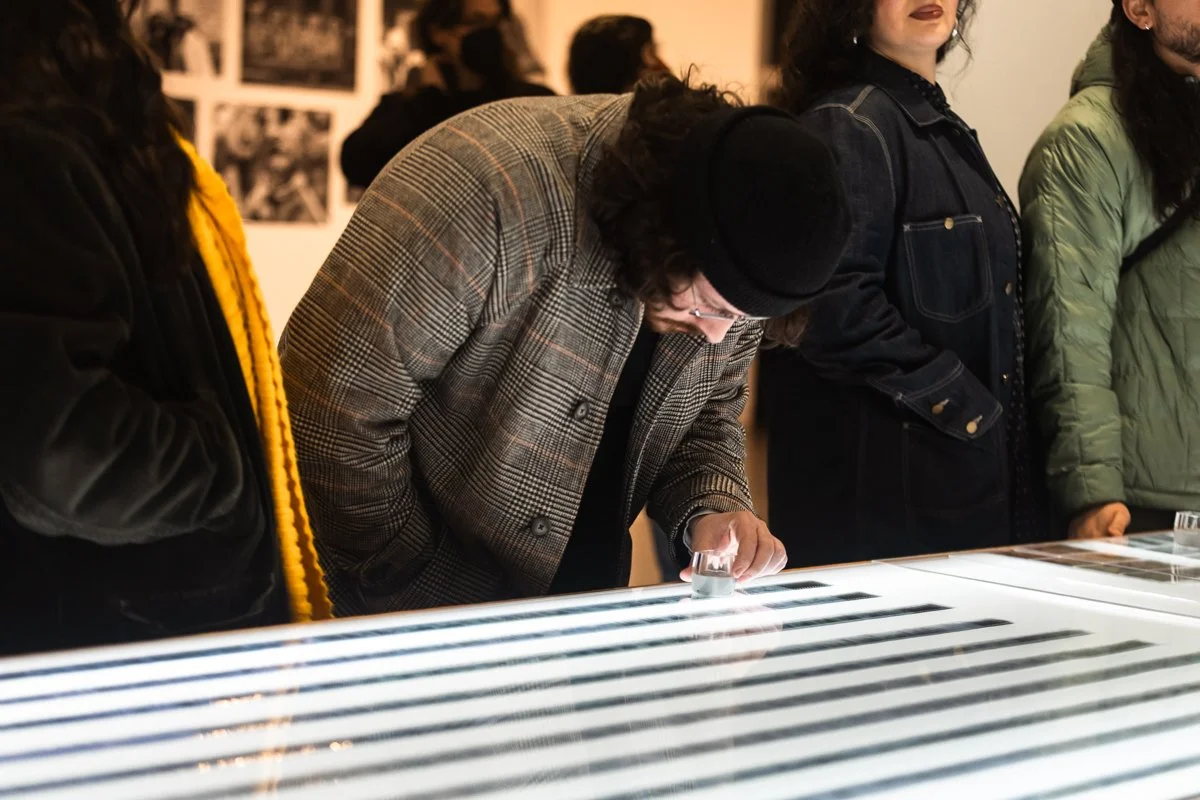
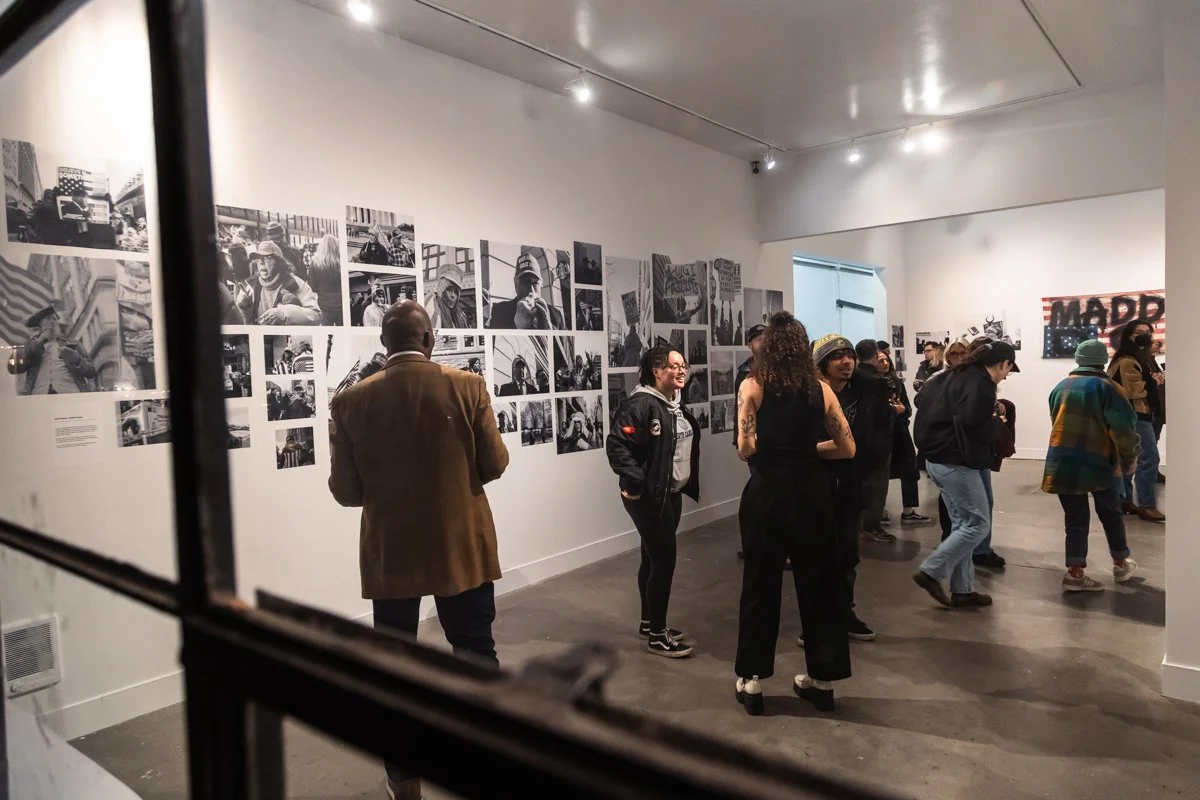
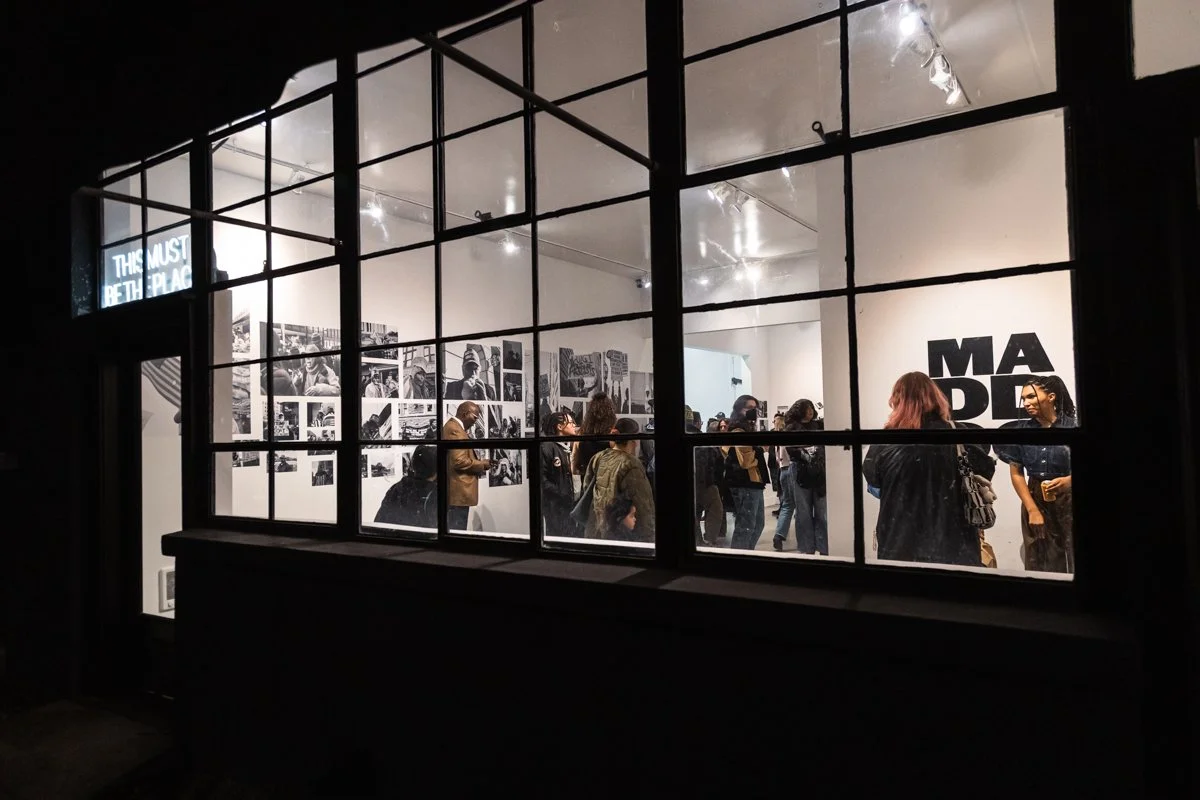
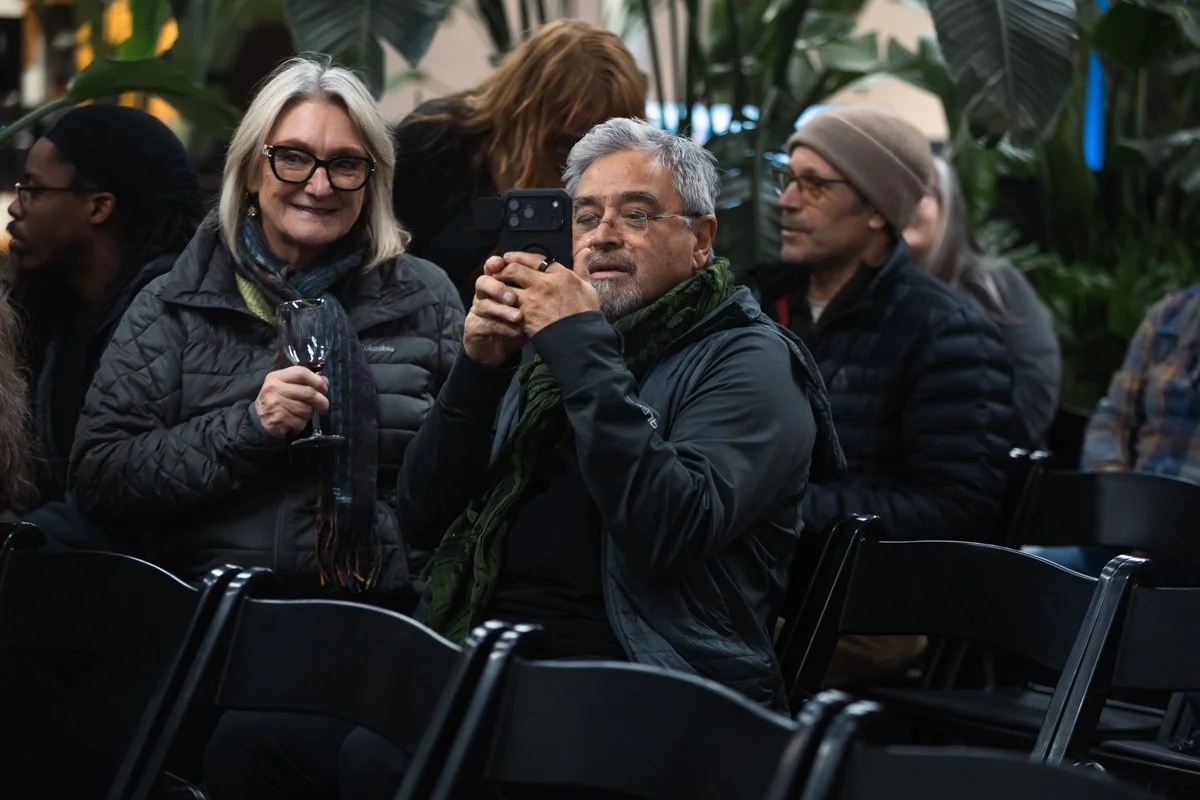
Below are some images from my view of the MADD D.C. opening night in January 2026 — exactly one year after the inauguration — I feel so lucky to have witnessed a project so crucial come to fruition. It was an honor to be there with them and to watch the audience’s reactions to their film. There was an incredible turnout for the screening…lucky us that they’ve decided to host a final screening tomorrow 02.07.26 before they close their exhibition. Meet Meaghan & Danica…
After the devastating blow of Election Day 2024, there was a palpable shift in tone across the country. The marches, the pink hats and the energy that shaped the resistance we saw during Trump's first term did not take hold in the weeks between the election and Inauguration Day for his second term. One election win was a fluke. Two was certainly not.
Traveling to Washington, D.C. to document Inauguration Day weekend was a decision made out of an unrelenting desire to have a role to play in an increasingly uncertain time. We hoped to find sanity and purpose in observing and documenting the moment we struggled to make sense of.
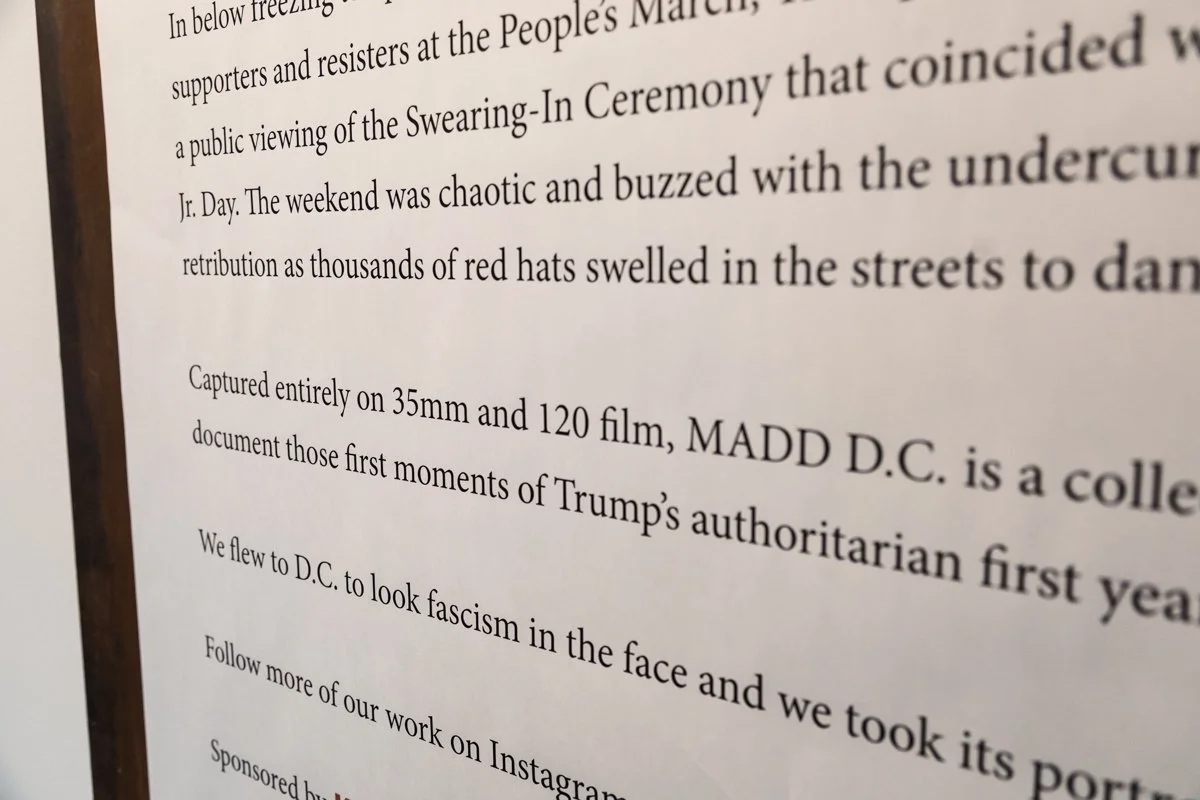
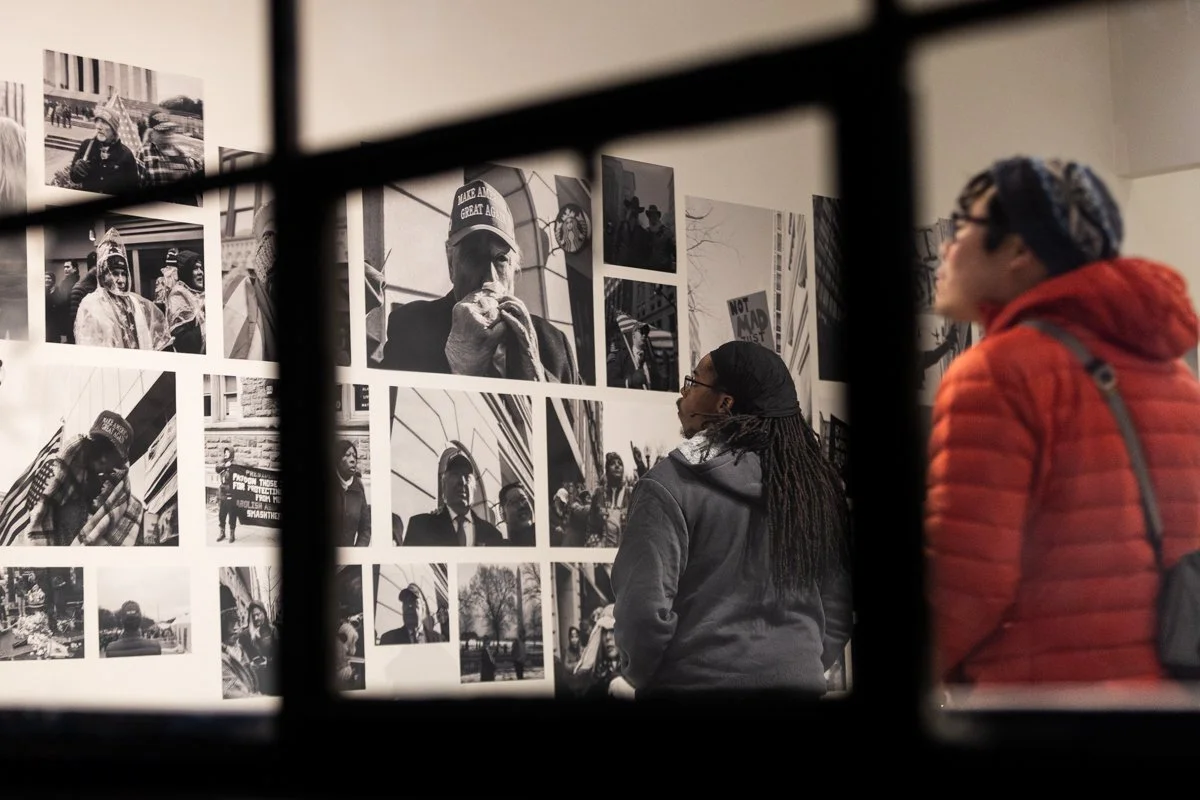
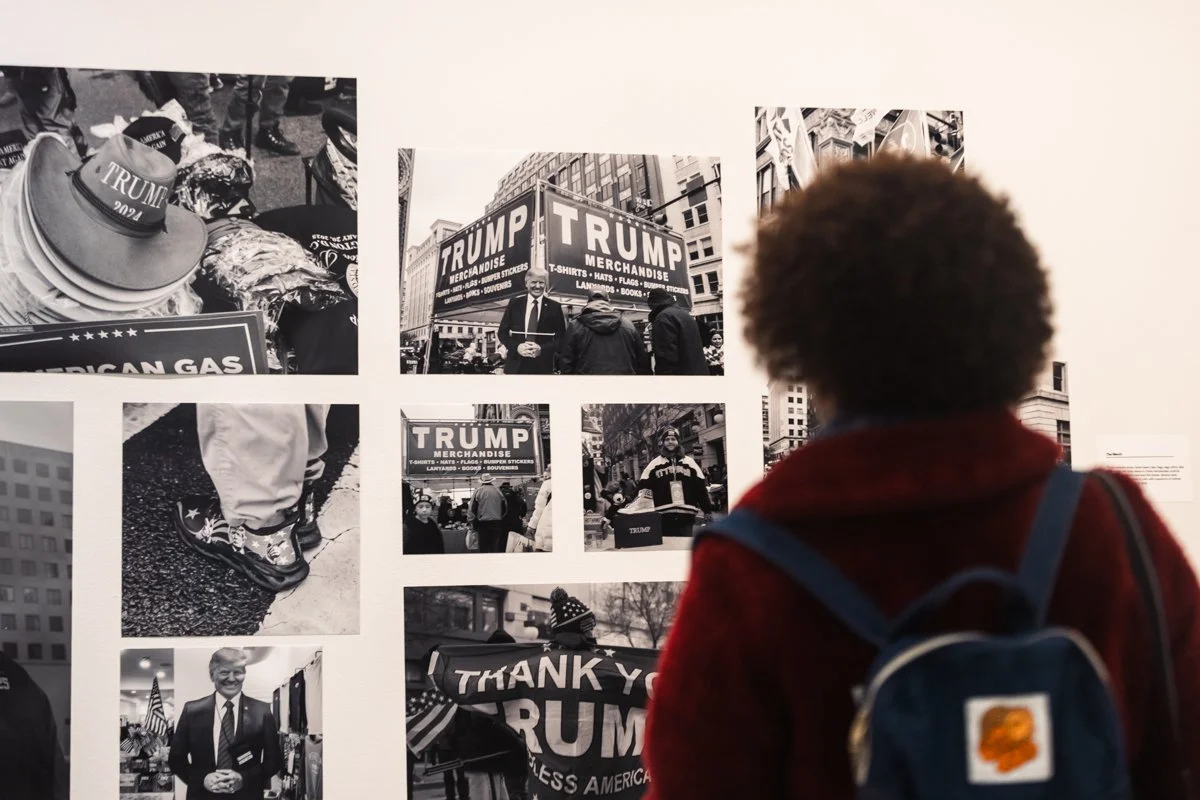
In below freezing temperatures throughout Inauguration Day weekend, we covered supporters and resisters at the Peoples March, Trump's "Victory Rally" celebrations, and a public viewing of the Swearing-In Ceremony that coincided with Martin Luther King Jr. Day. The weekend was chaotic and buzzed with the undercurrent of a promise of retribution as thousands of red hats swelled in the streets to dance and celebrate.
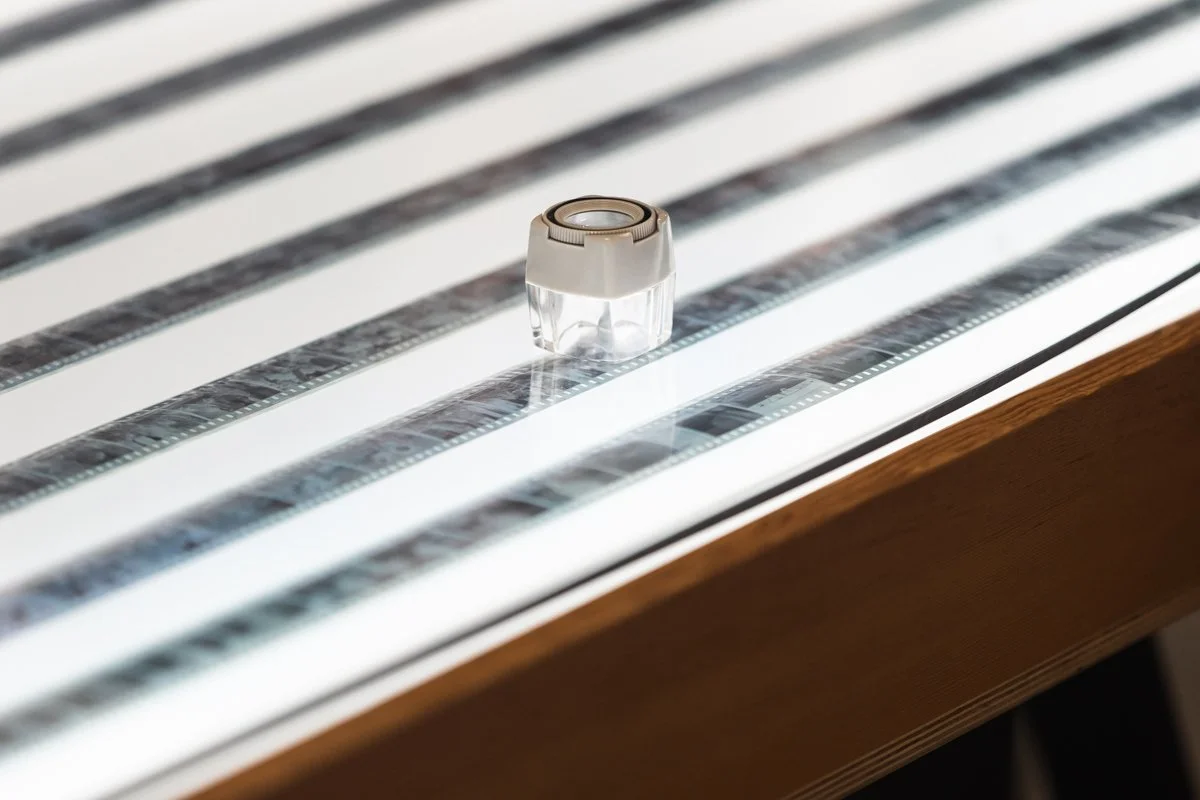
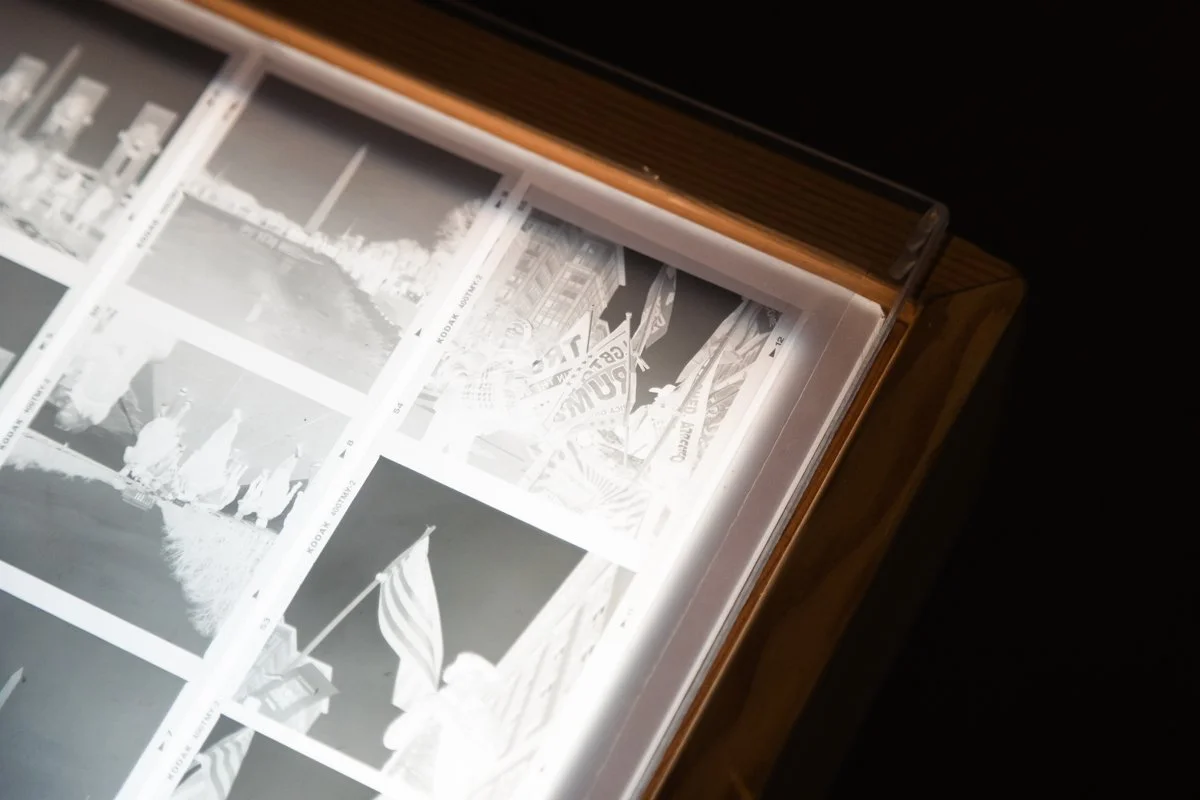
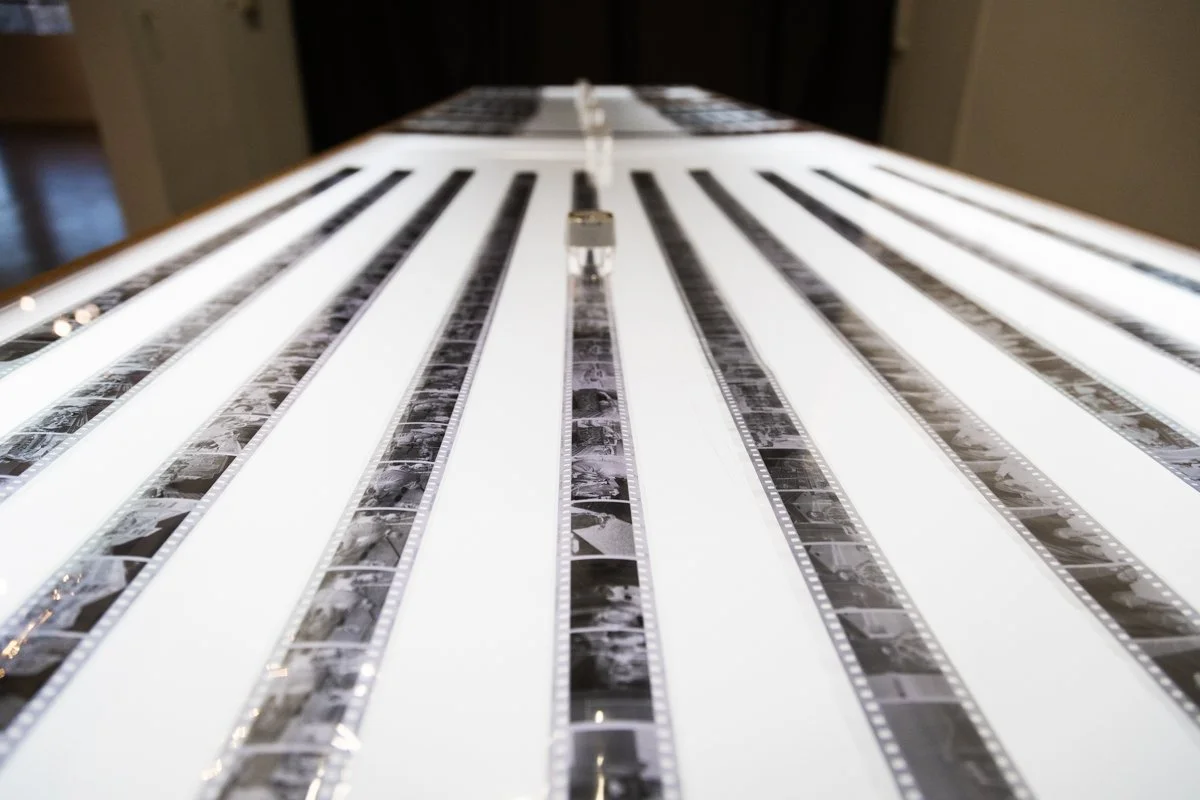
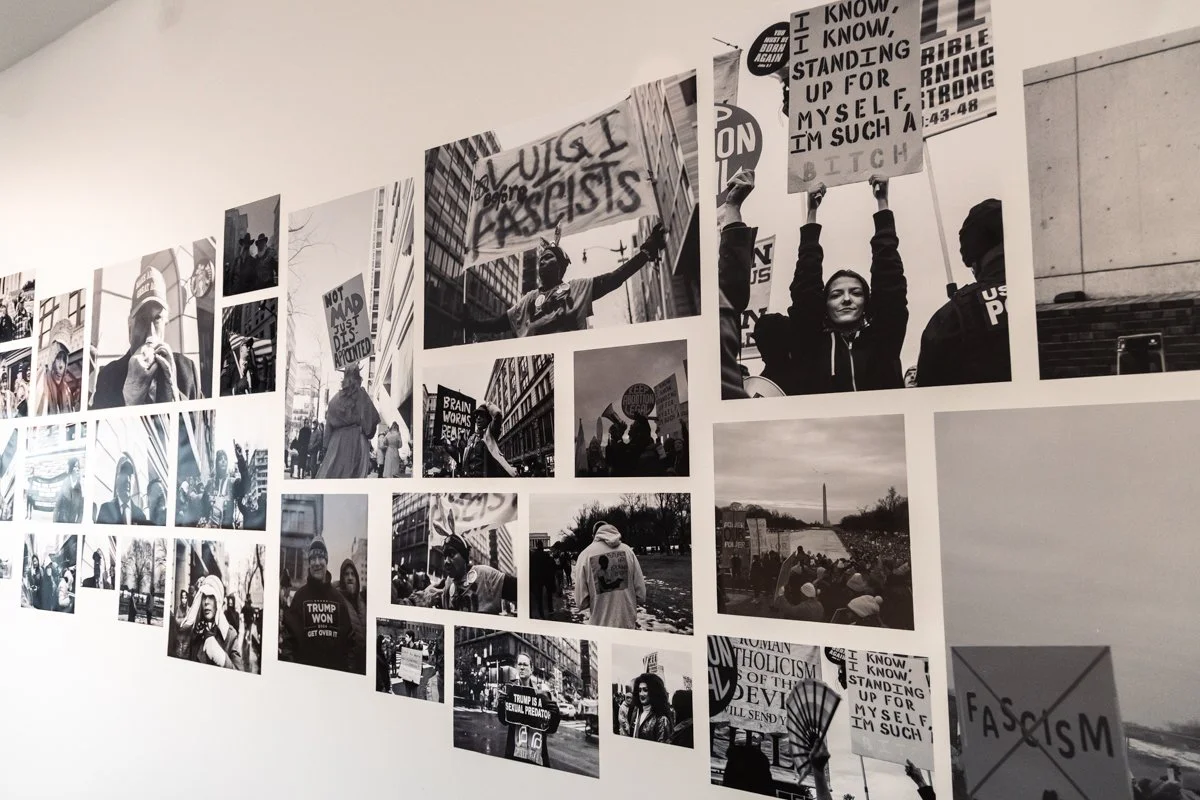
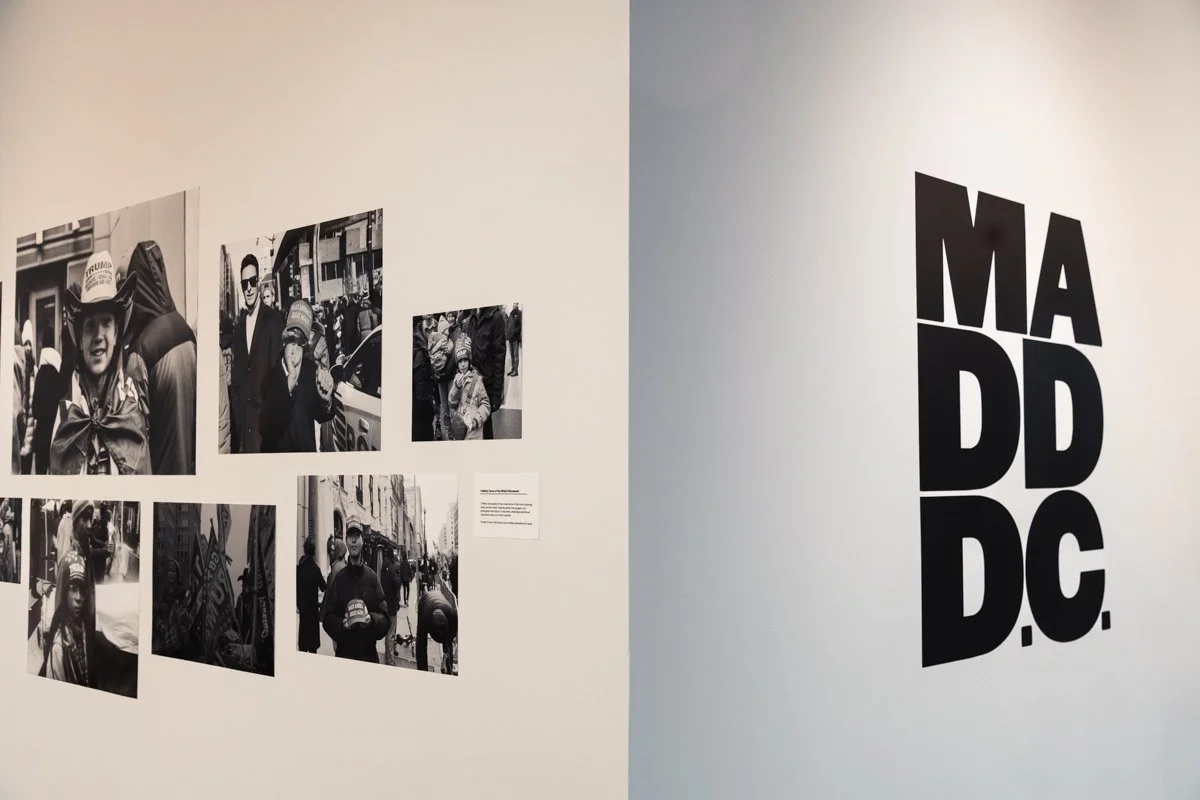
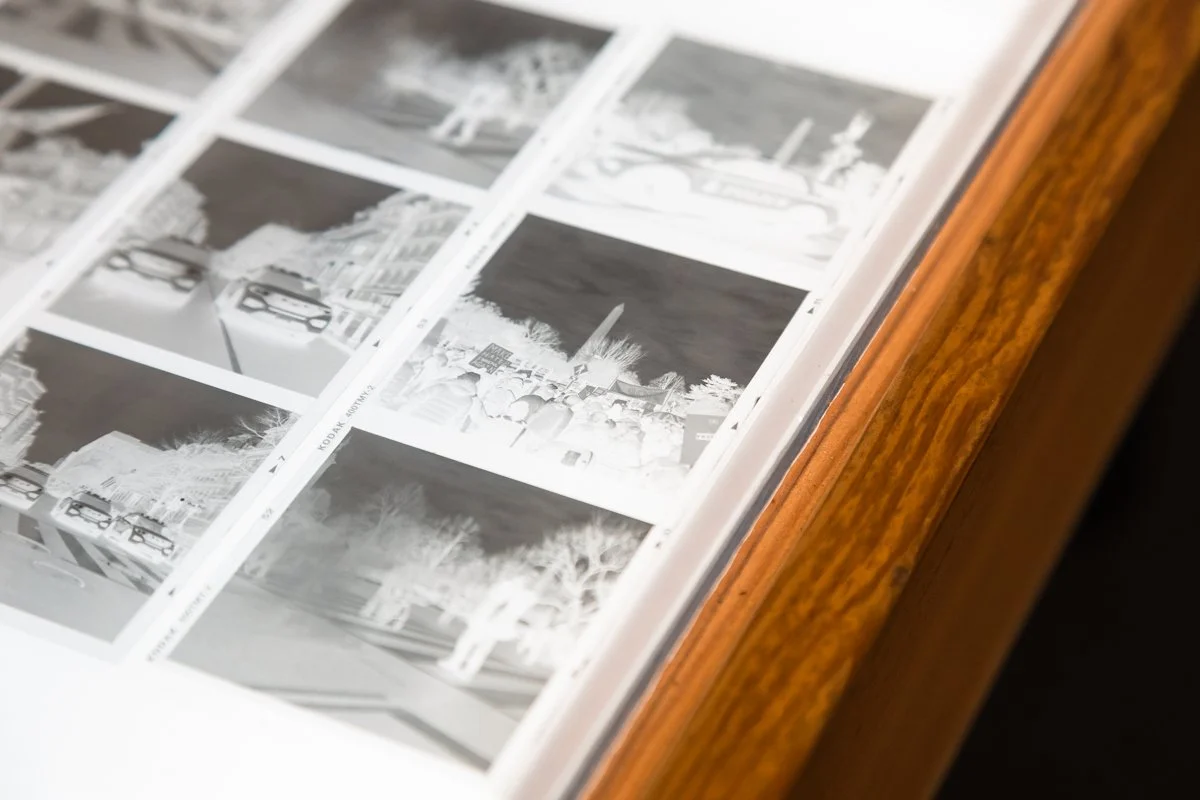
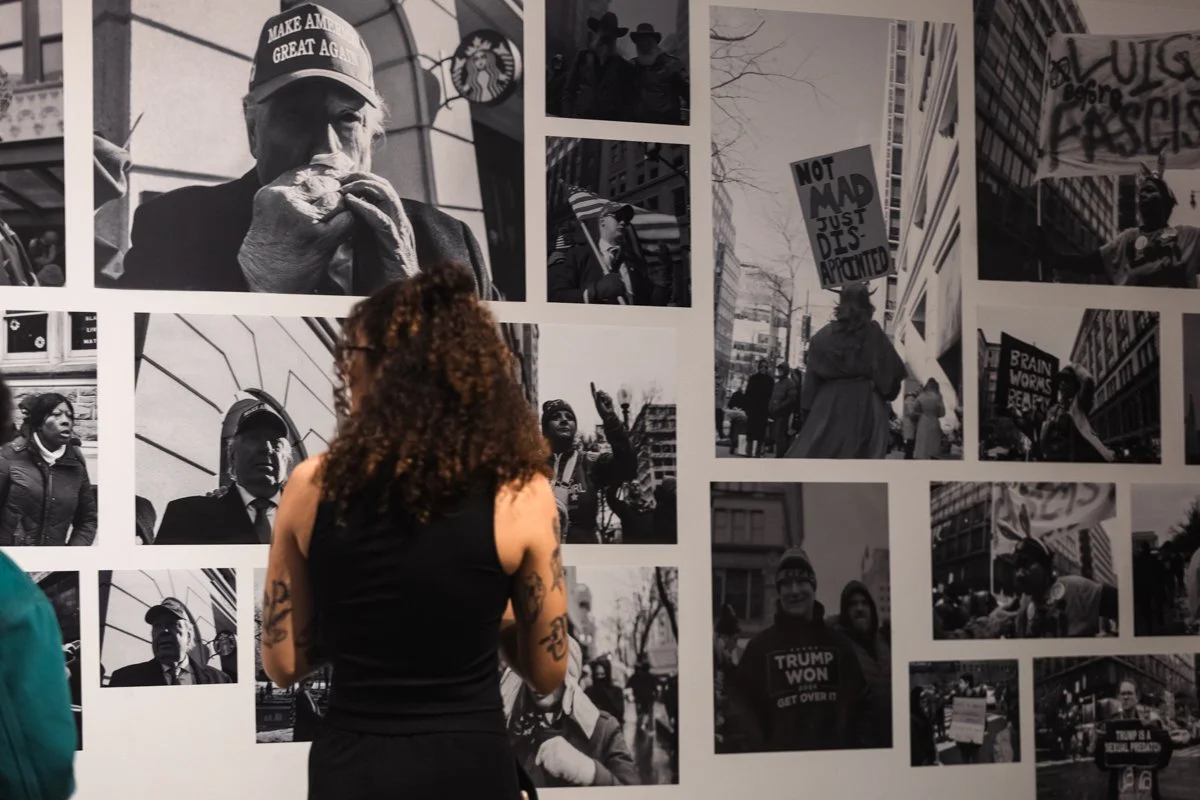
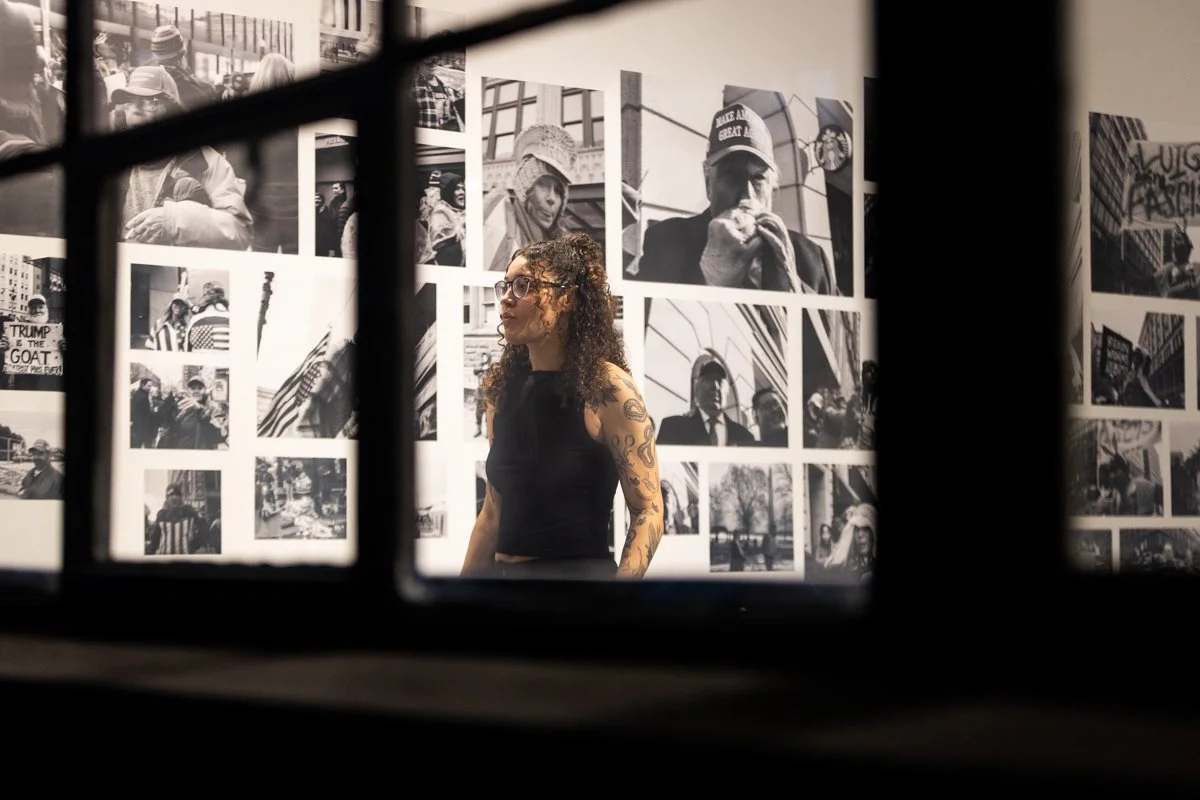
Captured entirely on 35mm and 120 film, MADD D.C. is a collection of photographs that document those first moments of Trump's authoritarian first year of his second term.
We flew to D.C. to look fascism in the face and we took its portrait.
Follow their work: @meaghanonfilm and @analogdanica.
Sponsored by Kodak Professional
MEAGHAN SUTTON:
Where did you grow up & how did you first cross paths w/ Danica?
I grew up in Louisville, Kentucky. I had been living in Portland for about a year or year and a half when one of our mutual film photography friends, "Juxx", told me he had recently connected with Danica and thought we would be a great match. The minute I clicked on her instagram account I noticed two things -- 1. She's a biracial baddie like myself 2. This is one talented photographer that I had to get to know. Through the powers of social media, one mutual follow and a DM later, we met up at a bar for the first time and it was like we had known each other for years. Our bond, friendship, and mutual respect for the arts has been around since.
When did you first pick up a camera?
I grew up wanting to be a broadcast journalist anchor, or just someone involved with cameras in some way. In middle school I had the opportunity to tour a high school in Louisville that was known for its magnet programs such as the Visual Arts program, Performing Arts program, STEM program, and Journalism and Communications program. On this tour, I saw the team gearing up for the morning announcements and knew I must choose Journalism and Communications. Within this program, we got to join our award-winning Yearbook, our investigative journalism magazine, broadcasting, etc. I did, well, all three. Enabling me to dive into both video and photo simultaneously. I was hooked. I became my school's football team photographer with parents asking to buy my photos to use on hoodies and blankets. Not only did I learn I had a natural knack for photography, but I learned the joy and impact it can bring to others. Flash forward ten years later moving to Portland, I picked up my very first film camera. Everything I thought I loved about digital photography went away. This time I was back to the basics. The sounds and the clicks and the clanks. The error and room for growth. The patience. The outcome. The tones. The feeling of nostalgia. I knew instantly that film was my medium of choice. I sold my digital camera and never looked back.
When I first met you, I remember us talking about safety…reflecting back, what was that like for you both as Black, queer women?
Safety going into this project was our biggest concern. Should we wear red hats? Should we find PRESS gear to wear? Will we be safe as Black women during a time that is marking the next chapter of unapologetic fascism and xenophobia? Speaking for myself, my safety net was being from Kentucky. My whole life I had been around folks who shared these very beliefs we were about to surround ourselves with. I would see Confederate flags not only in the skies but on my neighbor's bodies. I was in Kentucky for Trump's entire first term, so I had a glimpse of the present times of emboldened Americans ready to defend this authoritarian regime, but that was nothing compared to being surrounded by tens of thousands of them and no safety to lean on through counter-protesters. I remember telling myself to lean into my usual Southern hospitality mask that kept me safe my first 24 years of life in Kentucky, and it worked. Smile, keep it cordial, keep it pushing, no talk about personal details. The entire time I was worried about Danica who is darker-skinned, hair in protective Black styles, and grew up in the PNW. For the most part we were perfectly safe the entire trip. Everyone there was celebrating and in good spirits. But that doesn't negate that even just our very presence being there was risk enough.
Do you have a favorite photograph from this project?
I think my favorite photograph was the one at the Martin Luther King, Jr. Memorial. I was so defeated and angry, sitting paralyzed on a wall until I saw the first Black person to arrive and honor the statue. The smallest glimpse of hope entered my body as I grabbed both my cinema and film camera and went to photograph this moment. After taking his photo, I went and faced the other MAGA folks there posing for photos, snapping the shutter releasing frustrations with each click. It was definitely one of my more powerful photographs from the trip, and I think the overall experience played a major role in that.
What was the editing process like for your brain & heart?
Editing that documentary was so difficult.
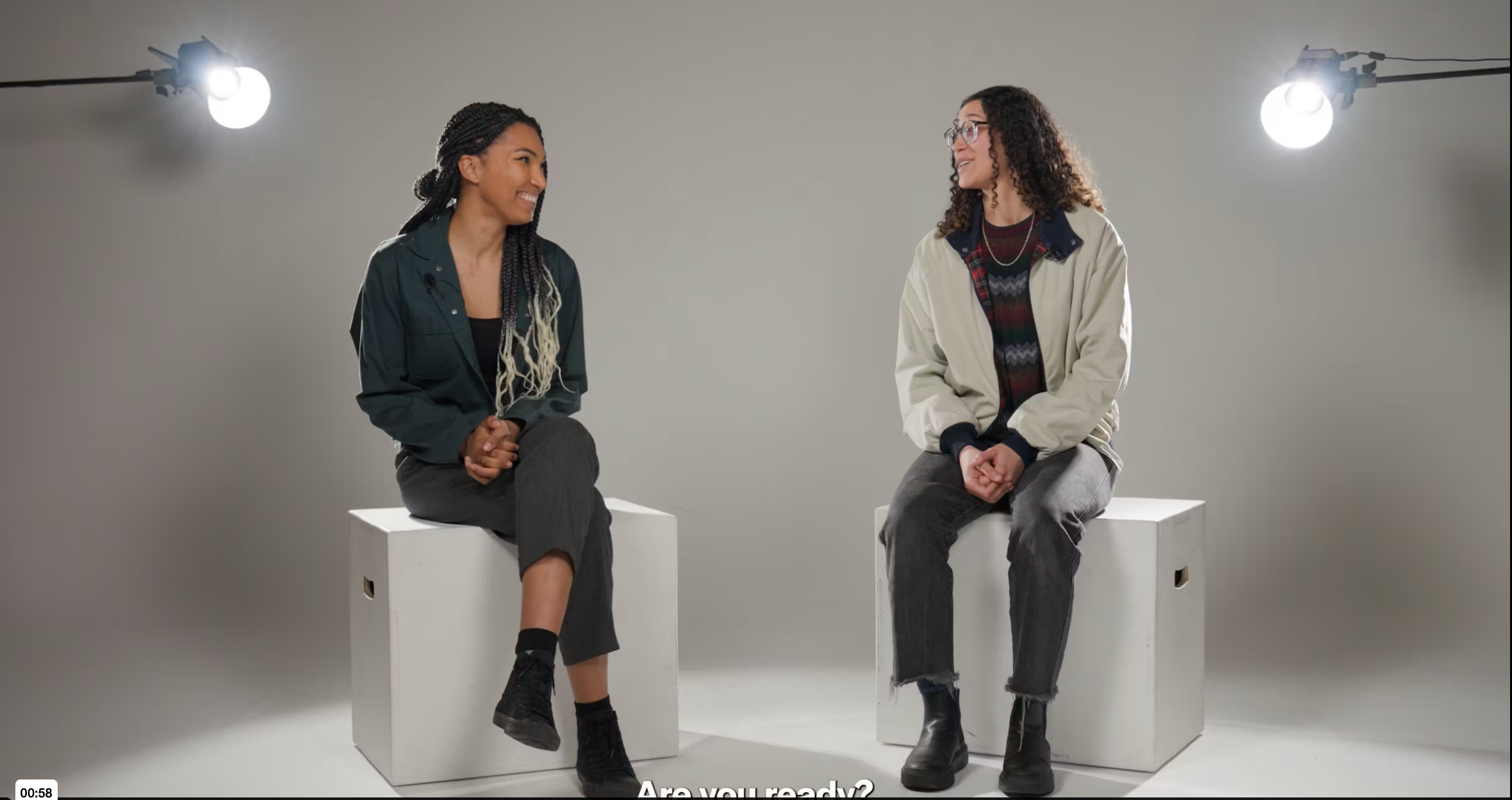
I honestly waited two weeks before its release to fully dive in. I had been pushing it off for so long knowing that I would have to go back through memory lane, both audibly and visually. At first I was thinking about asking a cis, straight, white man to perform the edit. Not saying it would be easy for him to edit it, but there wouldn't be as much weight on him to do so. Ultimately, I decided it was our story and I knew how to tell it best. I had to go through the footage day by day, reliving it in chronological order. At first it was extremely heavy. To watch our sit-down interview and to see us talk about Inauguration weekend was no easy feat, but it was almost healing to see our month-later selves go back and retell one of the hardest weekends. There was so much growth and resilience, and I grew proud to edit it. The best and worst part about video editing is having to replay footage over and over and over again cutting frame by frame. It got to a point that I memorized line for line the most outrageous moments. I was able to turn the horror into humor, and I put that messaging into the film through editing techniques, comedic relief, and more.
How do you hope to see the world differently in your lifetime & what do you think will get us through this moment in time?
I hope to see the good fight happening. Even "small" tasks such as going out and documenting events are so important. I hope to see grassroots organizing, community building, and honestly anger. We're already getting there. We've been seeing the American people fight. Enough is enough. I think community will get us through this moment in time. Community in which we come together to feel joy. Joy is resistance. In which we come together to protest. In which we come together to uplift. I think people with privilege taking the time to learn American history, World History, class and racial systems, etc. is a massive step in dismantling ignorance and stepping up into their role in this resistance.
VIEW MEAGHAN’S wORK HERE
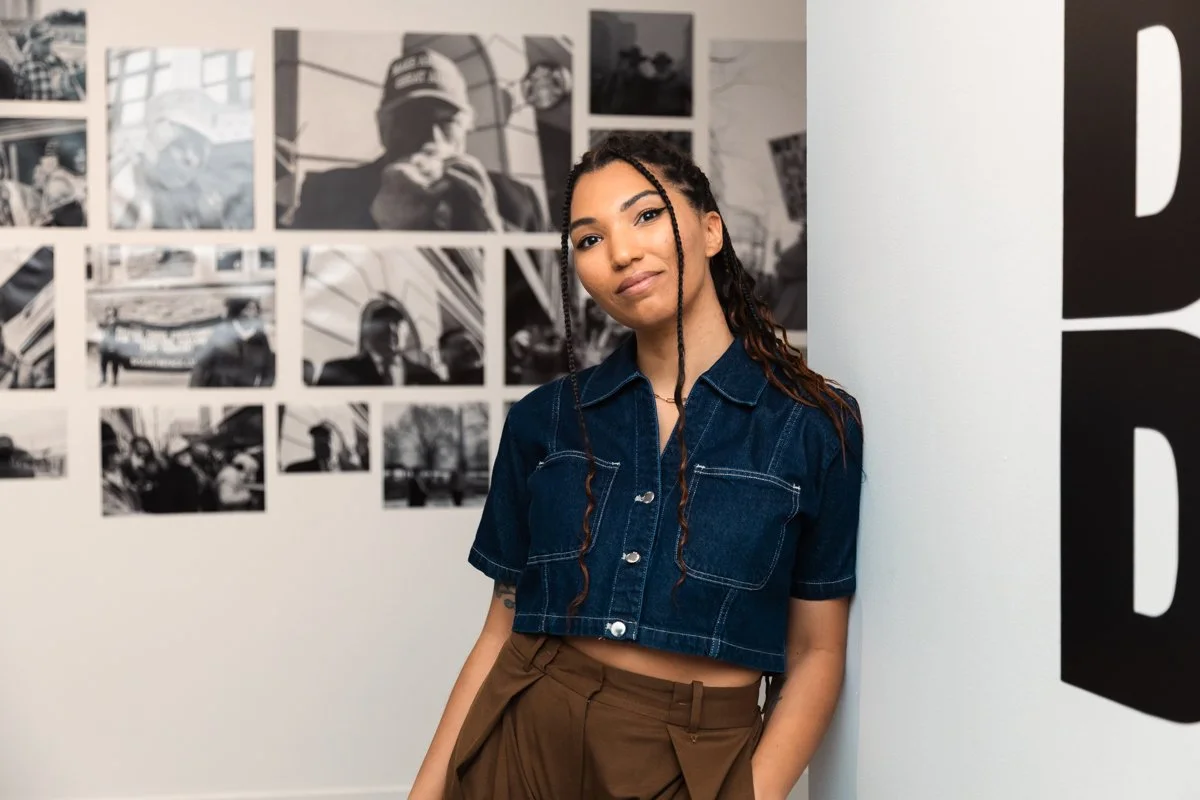
DANICA THOMAS:
Where did you grow up?
I’m from Olympia, Washington and moved to Portland at the end of 2022. Meaghan perfectly summarized how we met, and it really was like we had known each other forever! We just clicked and she remains one of my favorite people.
When did you first pick up a camera?
I was a sophomore in high school when I discovered Flickr, an ancient photo sharing website for photographers. I scrolled it for hours. It was the first time I really interacted with fine art photography and I was fascinated and inspired by it. I asked my journalism teacher if I could abandon my post as a writer for the school paper to become a photographer instead so I could have access to the school’s Canon Rebels. He let me take one home and have it over the summer. I had freedom to experiment and play with a DSLR for the first time and it felt like such a special tool that otherwise would have been inaccessible to me. That was it--I was hooked. Shoutout to Mr. Hardebeck and all the teachers that recognize and encourage those creative sparks.
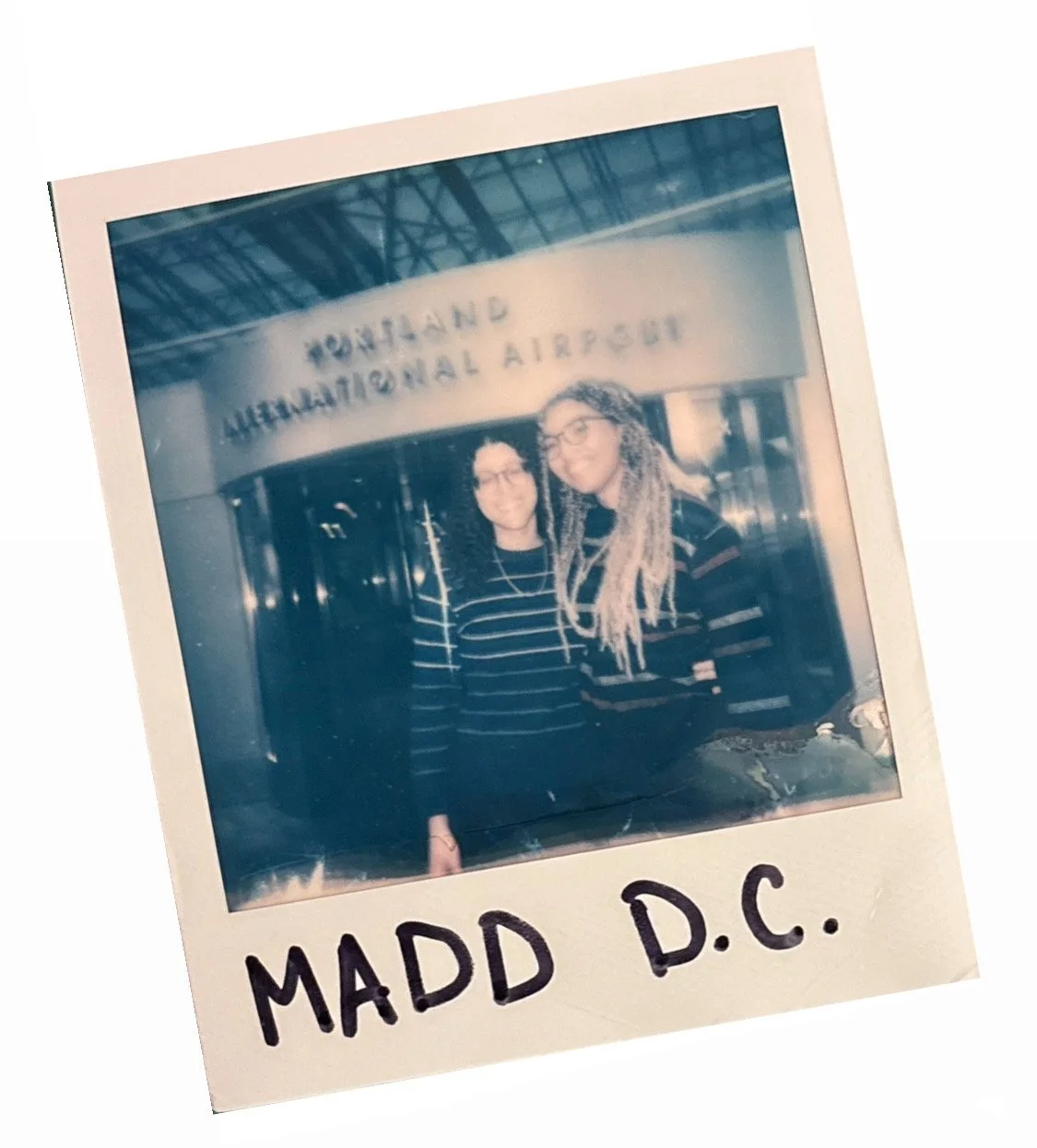
I remember us talking about safety…reflecting back, what was that like for you as a Black, queer women?
Yes, we had a lot of talks about safety and how we wanted to differentiate ourselves (or not) from the crowds. Ultimately we decided that visually identifying ourselves as “press” would put us at higher risk for harassment or worse. So we wore plain clothes, were polite and even friendly-ish towards people. We had no intention of challenging any of the very stupid things people were saying. Even though I didn’t feel particularly unsafe, I was on edge the entire time. It always felt like something could bubble over and go sideways at any moment. Meaghan and I were really good about checking each other’s locations and would find each other if we strayed more than a few blocks from each other. When Trump was sworn in and people really ramped up their celebrations, I think that’s when I most felt fear for our safety…but in a larger, macro way. It was so clear that this chapter of American history is going to be extremely dangerous and dark for people that look like me and other marginalized communities.
Top 3 favorite photographs that felt particularly powerful when processing?
My favorite photograph I took is of a Black woman holding a banner that says “LUIGI OVER FASCISTS.” She’s standing tall and alone. She looks so badass. It also makes me think of how Black women in particular have always showed up in elections and voted in the interests of working class people and people of color. Every single time. That woman has got to be so tired and almost certainly endured harassment from MAGA and she came out anyway.
My second favorite is the one of a smiling boy who is probably 8 years old wearing the American flag as a cape and a cowboy hat that says, “Trump - Because I kinda like freedom and shit.” It just feels so wrong to look at. Why are his parents encouraging a child to wear an obscene political costume? What does he know about freedom, or Trump? Will he grow out of the values his family has downloaded onto him, or will he grow into them? We don’t know. And that’s terrifying.
And my third favorite is one where my middle finger is in the foreground directly in front of a man wearing a MAGA hat.
The point in the film where you both talk about walking in silence at the end of the weekend. I think the entire room could sense the heaviness as we reflected back on the past year here in the US. How do you hope to see the world differently in your lifetime & what do you think will get us through this moment in time?
I hope we burn it all down and rebuild it from scratch. It really feels like we are at so many tipping points and that it’s going to get a lot worse before it gets better. I hope to see more general strikes and bigger protests and mass resistance. I hope we see more young people with progressive politics run for office and win. In the meantime, we have got to take care of each other. All of our lives depend on it.
VIEW DANICA’S wORK HERE